In a decisive move to secure its water future, the Hyderabad Metropolitan Water Supply and Sewerage Board (HMWSSB) has unveiled an ambitious, large-scale plan to ramp up rainwater harvesting infrastructure across the rapidly expanding Greater Hyderabad region. This strategic initiative aims to create a sustainable, decentralized water conservation network to bolster long-term water security for the city.
A Five-Year Plan for Massive Groundwater Recharge
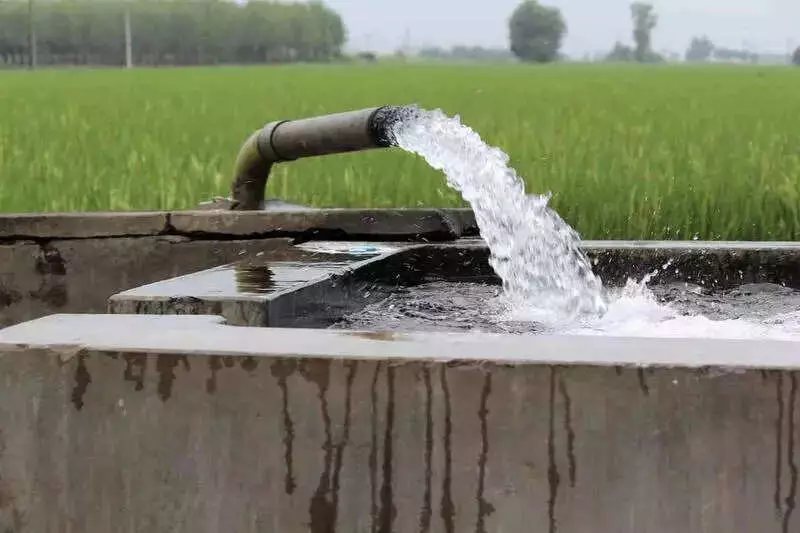
The cornerstone of this strategy is the construction of a staggering 50,000 rainwater harvesting pits within the Outer Ring Road (ORR) limits over the next few years. The primary objective of this massive undertaking is to recharge the city's aquifers with an estimated 5 to 10 TMC (Thousand Million Cubic feet) of groundwater. To put this volume into perspective, officials state that it exceeds the combined live storage capacity of the historic Himayat Sagar and Osman Sagar reservoirs, underscoring the transformative potential of widespread, decentralized water conservation efforts.
Immediate 100-Day Action Plan and Mandatory Measures
Kicking off this long-term vision with immediate action, the water board has incorporated the construction of 15,000 rainwater harvesting pits into its urgent 100-day action plan. These pits will be strategically developed in residential layouts, commercial premises, government institutions, and public spaces.

HMWSSB Managing Director Ashok Reddy has laid down clear mandates. He reiterated that within the next 100 days, every house with a plot size of 200 square yards must install a rainwater harvesting pit. Furthermore, such pits will be compulsory for all premises measuring above 300 square yards. The board is also proactively reaching out to district education officers in four surrounding districts to ensure the construction of these pits in approximately 1,200 government schools.
Reviving Defunct Borewells and Summer Preparedness
In a parallel effort to maximize existing infrastructure, the board plans to breathe new life into non-functional groundwater assets. Within the Greater Hyderabad Municipal Corporation (GHMC) limits, there are currently 8,285 borewells, of which 4,569 are defunct. The innovative plan involves converting these idle borewells into injection borewells, fitting them with harvesting pits to directly channel monsoon rainwater into the aquifers below.
Officials are also preparing detailed field-level micro-plans for water supply during the upcoming summer season. They will regularly monitor the quantity of water allocated to each area and plan tanker water supply accordingly. In another significant step towards efficiency and accountability, the board has decided to install flow meters at every docket to accurately measure water usage.
MD Ashok Reddy emphasized the profound impact of the full-scale plan, stating, "If 50,000 soak pits are constructed within the ORR limits over the next five years, allowing 5–10 TMC of water to recharge groundwater, there will be no need for Krishna Phase-IV or new drinking water schemes." This statement highlights the board's confidence in rainwater harvesting as a foundational solution to Hyderabad's water needs, potentially making large, expensive new water supply projects unnecessary.