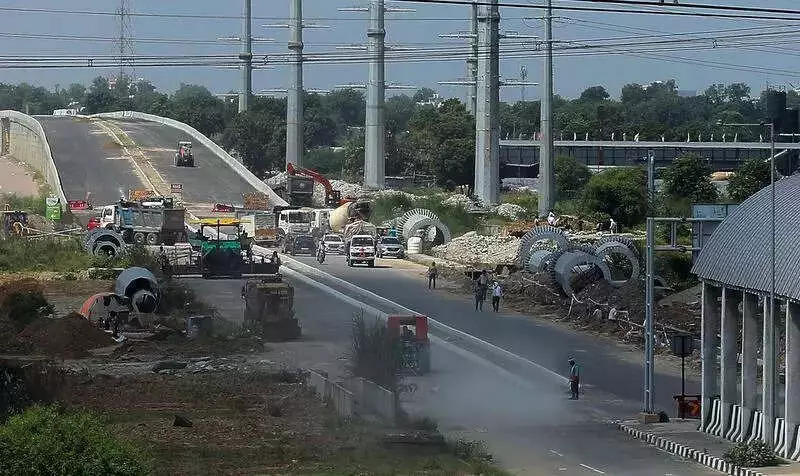
Haryana Quality Authority Implements Strict Measures for Infrastructure Projects
The Quality Assurance Authority of Haryana announced a comprehensive set of mandates on Monday. These new rules aim to strengthen quality, transparency, and accountability in engineering infrastructure projects across the entire state.
Technical Audits Cover Major Projects
QAA Chairman Rajeev Arora revealed that the authority conducted detailed technical audits in two distinct phases. These audits focused on twenty-five large infrastructure projects spanning multiple government departments.
The examination process scrutinized several critical areas. Auditors checked design adequacy and verified adherence to Detailed Project Report provisions. They also assessed construction quality, contract management practices, safety protocols, and long-term sustainability.

Based on these thorough inspections, the QAA prepared detailed technical audit reports. These documents have been circulated to the concerned administrative departments and executing agencies. The reports mandate compliance and prompt corrective action where necessary.
Mandatory QR Codes for Public Transparency
In a significant move toward public accountability, the QAA has made QR code displays mandatory at all project sites. Arora stated this measure will enhance transparency and facilitate social audit by citizens.
These QR codes will link directly to dedicated digital pages containing vital project information. The pages will include DPR summaries, bills of quantities, and approved technical specifications. They will also list the names of contractors, engineers-in-charge, and consultants involved.
The digital portals will provide monthly updates on both physical progress and financial expenditures. This allows real-time tracking of project development by officials and the general public alike.
Consolidated Report and Consultant Requirements
The authority has been tasked with preparing a comprehensive consolidated presentation by February 16. This document will incorporate Action Taken Reports received from various departments.
It will also include the QAA's independent observations, specific comments, and formal recommendations. The presentation may suggest disciplinary action against officers or officials where required. It will outline additional measures necessary to ensure timely project completion and maintain high quality standards.
To strengthen project preparation from the outset, the QAA has made consultant engagement mandatory for several project types. This requirement applies to all greenfield road projects and all bridges, flyovers, and overpasses.
It also covers all building projects costing five crore rupees or more. Road upgradation projects with costs exceeding twenty-five crore rupees must also engage qualified design consultants.
Focus on Drainage and Land Encroachment
Drainage planning has been made a mandatory and integral component of all Detailed Project Reports. Departments received directives to develop standard design templates for both urban and rural drainage systems.
Authorities must ensure proper inter-departmental coordination and synchronize execution timelines. The QAA emphasized using underground recharge wells as a sustainable method for runoff disposal and groundwater recharge.
Encroachment on government land along roads and canals has been declared a priority issue. All such encroachments must be removed in close coordination with revenue authorities.
Right of Way demarcation will be undertaken on a state-wide, time-bound basis. This applies to national highways, state highways, major district roads, and major irrigation canals. The authority recommends using GPS or GIS technology along with stone pillars for accurate demarcation.