Gurgaon's PNG Expansion Rush Sparks Safety Concerns as Pipelines Damage Utilities
In Gurgaon, the urgent push to expand the piped natural gas (PNG) network is colliding with fundamental safety protocols, according to warnings from municipal corporation engineers. Amid energy supply constraints linked to the West Asia conflict, gas agencies are under pressure to transition households from LPG to PNG, but this haste is leading to reckless pipeline laying that violates standard procedures.
Damage to Civic Infrastructure and Disrupted Services
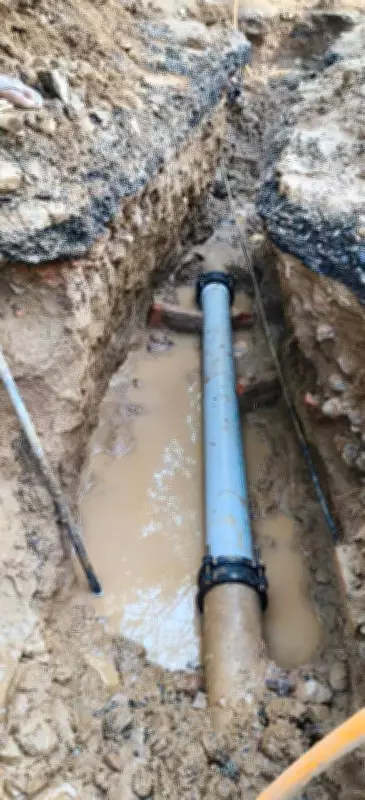
The rush to lay pipelines has resulted in significant damage to water and sewer lines, disrupting essential civic services across the city. Engineers report that trenchless digging methods, which are mandated for such work to avoid underground utilities, are being bypassed in favor of manual excavation. This sharply increases the risk of hitting existing infrastructure, causing repeated incidents of damage.
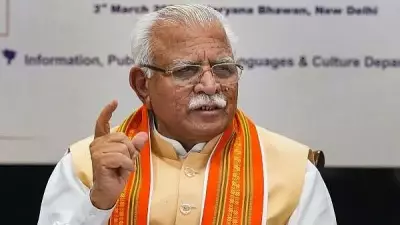
MCG commissioner Pradeep Dahiya stated, "Senior officials of gas agencies laying their networks in the city will be called for a meeting. In the rush to lay pipelines, they are damaging our infrastructure and not complying with norms at all. We will send them notices for the damage caused." The corporation has already received at least three formal complaints about pipeline damage, including from Sector 15 and Palam Vihar.

Specific Incidents and Community Impact
In Palam Vihar, the situation has been particularly severe. Ward 4 councillor Pardeep Kumar Padam described how damage occurred repeatedly within hours. "The agency damaged a water pipeline while working in E Block on Tuesday. It affected water supply. I got it fixed, and when I went there, they damaged the second line again that very night. I am still at the site with the MCG junior engineer getting the work done," he told TOI.
A former councillor and Sector 15 resident echoed these concerns, noting that the work is being carried out without proper accounting for existing underground utilities. He added, "I have raised the issue with MCG."
Serious Safety Lapses and Regulatory Violations
Engineers highlighted one of the most critical lapses: the failure to conduct ground penetrating radar surveys (GPRS), which are essential for mapping underground infrastructure before digging begins. "In some cases, GPRS surveys are not being conducted at all. In others, even when they are done, the findings are not followed. If a survey shows a water line at 3 feet and the gas pipeline is to be laid at 5 feet, but that is not adhered to, damage is inevitable," an engineer explained.
Officials also flagged potential financial and regulatory violations. In several cases, agencies have not deposited the required fee of Rs 6 lakh per kilometer or furnished bank guarantees, even as work continues unchecked. MCG has granted right-of-way permission for 58 kilometers of PNG expansion so far.
Gas Agency Response and Government Push
Haryana City Gas, however, denied any breaches of compliance. A company representative stated, "We are following all norms and there is no non-compliance. If any water or sewer line is damaged, our contractors repair it immediately." He added that the company is working "on a war footing" under directions from the central and state governments, given the urgency of the situation.
This urgency stems from the government's push to increase PNG adoption to ease pressure on LPG supplies. Gurgaon currently has 10.2 lakh domestic LPG connections, compared to only 83,603 PNG connections—21,692 with Indraprastha Gas and 61,911 with Haryana City Gas. Over the past month, GMDA has granted 24 right-of-way permissions covering 33 kilometers across the city.
The conflict between rapid infrastructure expansion and safety norms underscores the challenges in balancing energy transition goals with civic responsibility. As Gurgaon accelerates its PNG network, ensuring compliance with regulations and protecting existing utilities remains a critical priority for municipal authorities and residents alike.