Goa Electricity Department Prepares for Smart Prepaid Meter Rollout for Private Consumers
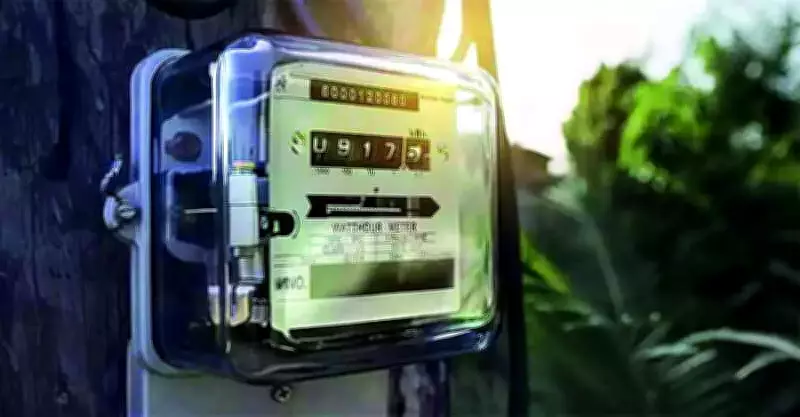
Panaji: The electricity department in Goa is poised to initiate the installation of smart prepaid meters for private consumers in approximately one month. This significant advancement follows the successful completion of replacing conventional meters with smart meters at all its substations and achieving installation in 50% of its transformers.
Phased Implementation Strategy
Mayur Hede, the superintending engineer and nodal officer for the project, detailed the department's strategic approach. "The department began the installation of smart meters for government consumers. Next will be private consumers, beginning with industrial consumers. Commercial and domestic consumers will follow," Hede stated. This phased rollout ensures a systematic transition, minimizing disruptions and optimizing resource allocation.
Project Timeline and Scale
The ambitious project targets the installation of 7.5 lakh smart meters, with completion expected by August 2027. This timeline reflects a comprehensive plan to modernize the state's electricity infrastructure, enhancing efficiency and consumer engagement across Goa.

Enhanced Features and Consumer Benefits
Hede emphasized that the new smart meters will incorporate advanced features and communicate data directly to consumers through a user-friendly mobile application. "At the click of a button, consumers will be able to monitor their usage and find out how many units of power they are consuming during the day, in a week, month, quarter, etc," he explained. This real-time access empowers consumers with greater control over their energy consumption and billing.
Operational Advantages and Efficiency Gains
The implementation of smart meters is projected to yield substantial operational benefits. Hede highlighted that these meters will reduce human interference, thereby virtually eliminating billing errors. Additionally, the department will gain enhanced monitoring capabilities for transformer loads and voltage issues, facilitating better infrastructure planning and proactive maintenance.
During power outages, restoration times are expected to decrease significantly. "The system will directly show that a particular colony does not have any power. Consumers will not have to call the department to restore power," Hede noted, streamlining response efforts and improving service reliability.
Dispelling Myths and Ensuring Transparency
Addressing common concerns, Hede clarified that it is a misconception that smart meters lead to higher electricity bills. "A smart meter, like the conventional meter, will record energy units," he affirmed. He further reassured the public by noting that smart meters are a well-established technology used globally and are being widely adopted across India, underscoring their reliability and accuracy.
Statewide Consumer Awareness Initiative
To facilitate a smooth transition, the department has launched a comprehensive consumer awareness campaign across Goa. A large-scale workshop was conducted for energy clubs, engaging students and teachers from over 100 schools. This initiative aimed to educate participants about the technology, its functioning, and its benefits before installation commences in their respective areas.
During the workshop, attendees were introduced to the technical capabilities of smart meters and how they empower consumers. Informational guides and frequently asked questions (FAQs) were distributed to participating schools to promote awareness within households and communities, ensuring widespread understanding and acceptance of the new system.
This proactive educational effort underscores the department's commitment to transparency and consumer involvement, paving the way for a successful implementation of smart metering technology throughout the state.