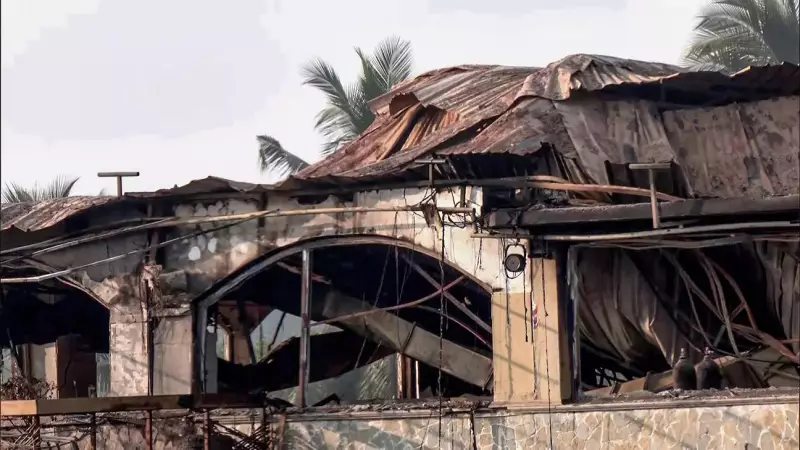
Goa Nightclub Received 15-Year Green Nod Despite Multiple Safety Complaints
In a shocking revelation, the Goa State Pollution Control Board granted a 15-year 'green category' consent to the Arpora nightclub that went up in flames last month. The tragic fire claimed 25 lives. Chief Minister Pramod Sawant shared this information in a written reply to the House.
Fatorda MLA Vijai Sardesai raised the question during the winter session. The response exposed serious lapses in regulatory oversight.
Consent Granted Despite Multiple Red Flags
The nightclub, operating under Being GS Hospitality Goa Arpora LLP, received its consent to operate on April 22, 2024. This happened despite four separate complaints filed against the establishment. The complaints highlighted numerous violations and safety concerns.

Documents presented in the House showed the GSPCB received complaints on:
- December 18, 2023
- January 14, 2025
- October 10, 2025
- November 4, 2025
These complaints alleged serious violations including illegal construction in eco-sensitive zones. Specifically, the construction occurred on salt pans and agricultural land. The nightclub also discharged untreated sewage directly into the Baga river.
Specific Violations Cited in Complaints
The complaints detailed multiple safety and environmental concerns:
- Operation of a discotheque in an unstable structure posing major tragedy risks
- Misuse of open spaces violating building bylaws
- Unauthorized construction and coastal regulation zone violations
- Noise pollution exceeding permissible limits
- Commercial operations without proper occupancy certificates
Remarkably, the nightclub's social media pages showed it opened in January 2024. Yet the GSPCB only granted formal consent three months later in April.
Board's Response and Actions
The GSPCB processed the nightclub's application through its online portal. Officials scrutinized the application and conducted a site inspection on April 9, 2024. Just thirteen days later, they issued the consent order.
This consent permitted operations until January 31, 2039. It was issued under three key environmental laws:
- The Water (Prevention and Control of Pollution) Act, 1974
- The Air (Prevention and Control of Pollution) Act, 1981
- The Hazardous and Other Wastes Rules, 2016
The board classified the establishment under the green category. This category typically applies to activities with relatively low pollution potential. Green category establishments receive 15-year consents, while red category establishments get only five years.
Post-Complaint Actions and Monitoring
GSPCB records indicate site inspections followed each complaint. The board forwarded inspection reports to complainants. Officials acknowledged unlawful construction and violations on the property.
For noise pollution complaints, the board relied on data from real-time online monitoring stations. Their noise monitoring cell tracked these readings. Whenever exceedances occurred, the data went to police and deputy collectors for action.
On October 10, 2025, the board established a special mechanism. This system specifically addressed noise pollution issues linked to the nightclub. It responded to repeated allegations of unlawful noise levels and unauthorized operations.
Aftermath and Consequences
The consent remained valid until tragedy struck. Only after the deadly fire did authorities revoke the permission. The board also suspended its then member secretary, Shamila Monteiro.
The nightclub represented by Saurabh Luthra operated a restaurant with 150 seating capacity. Despite multiple warnings and complaints, it continued operations with full regulatory approval.
This case raises serious questions about pollution control mechanisms in Goa. It highlights potential gaps in safety enforcement and regulatory oversight. The tragedy underscores the importance of proper due diligence before granting long-term operational consents.