Study Uncovers Significant Gaps in Children's Grama Sabha Implementation in Belagavi
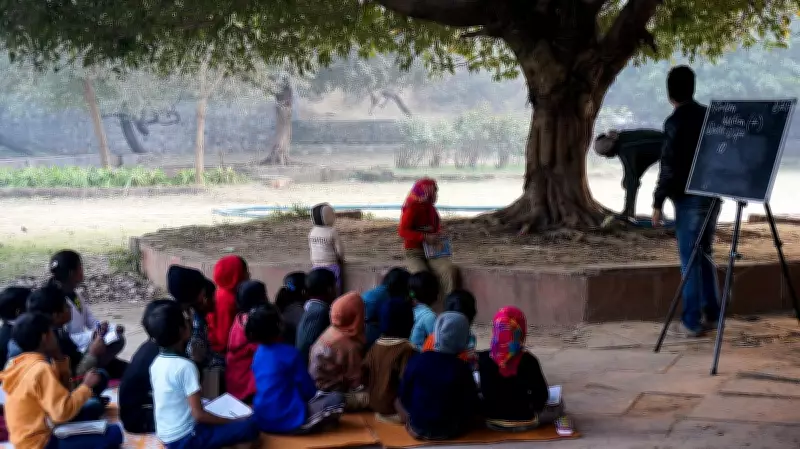
A comprehensive study conducted in the Chikkodi taluk of Belagavi district has revealed notable deficiencies in the execution of Makkala Grama Sabhas, which are specialized village assemblies designed to address children's issues and foster their participation in local governance. The research, which analyzed nine Gram Panchayats (GPs) over a three-month period, found that while the majority of these local bodies had organized the mandated children's meetings, the documentation and reporting processes were severely lacking.
High Participation Rates Mask Underlying Documentation Problems
According to the study findings, eight out of the nine Gram Panchayats examined had successfully conducted Makkala Grama Sabhas within the specified timeframe, demonstrating a strong commitment to involving children in democratic processes at the grassroots level. However, this positive participation rate was overshadowed by significant shortcomings in how these meetings were recorded and reported.
The investigation discovered that most of the meeting records uploaded to the Panchatantra portal—the official digital platform for Gram Panchayat documentation—were vague and insufficiently detailed. These records failed to provide comprehensive accounts of the discussions held, decisions made, or specific issues raised by children during the sabhas. Such incomplete documentation undermines the transparency and accountability that these children's assemblies are meant to promote.

Implications for Governance and Child Participation
The gaps identified in the study raise important questions about the effectiveness of current monitoring mechanisms for children's participation in local governance. Without proper documentation, it becomes challenging to track the implementation of decisions made during these sabhas or to assess their impact on children's welfare and development.
Experts suggest that the lack of detailed records on the Panchatantra portal could indicate several underlying issues, including inadequate training for Gram Panchayat officials on proper documentation procedures, insufficient technological infrastructure in some areas, or simply a lack of emphasis on the importance of thorough record-keeping for children's assemblies.
The study recommends several measures to address these deficiencies:
- Enhanced training programs for Gram Panchayat members on proper documentation practices
- Regular audits of uploaded records to ensure compliance with reporting standards
- Development of more user-friendly interfaces on the Panchatantra portal
- Increased awareness campaigns about the importance of children's participation in local governance
As Karnataka continues to prioritize children's rights and participation in governance, addressing these documentation gaps in Belagavi's Chikkodi taluk could serve as a model for improving children's Grama Sabha implementation across the state. The findings highlight the need for not just conducting these important assemblies, but also ensuring they are properly documented to maximize their impact and accountability.