The Attorney General of India, R. Venkataramani, has clarified that the government's ethanol blending program is not an experiment, addressing recent media reports that suggested otherwise. The clarification came during a Supreme Court hearing on a matter related to the environmental impact of ethanol production.
Attorney General's Statement in Supreme Court
Appearing before a bench led by Chief Justice of India, the Attorney General stated that the ethanol blending policy is a well-considered initiative aimed at reducing fossil fuel dependence and promoting renewable energy. He emphasized that the government has set clear targets, including a 20% blending target by 2025, and that the policy is backed by extensive research and pilot projects.
According to Venkataramani, “The ethanol blending program is not an experiment. It is a carefully planned policy with defined milestones. The government is committed to its implementation and has taken into account all relevant factors, including environmental concerns and food security.”

Media Reports Spark Confusion
The clarification came after certain media outlets reported that the government had admitted in court that the ethanol blending policy was an experiment. These reports were based on earlier submissions by the government, which the Attorney General said were misinterpreted. He explained that the term “experiment” was used in a technical context to refer to ongoing monitoring and adjustments, not to suggest that the policy was tentative.
The Supreme Court is hearing a petition filed by environmental activists who argue that the diversion of sugarcane for ethanol production could lead to water scarcity and affect food security. The petitioners have sought a halt to the program until a comprehensive environmental impact assessment is conducted.
Government's Position on Ethanol Blending
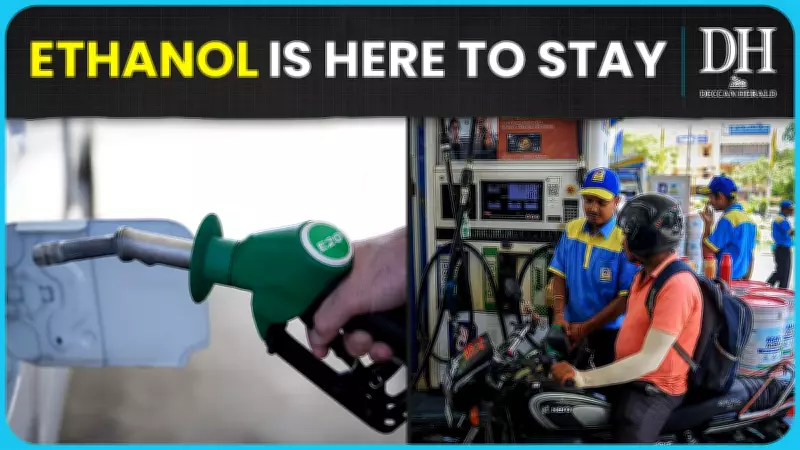
The government has defended the ethanol blending program as a key component of its strategy to reduce carbon emissions and achieve energy independence. India currently blends about 10% ethanol with petrol, up from 1.5% in 2014. The target is to reach 20% by 2025, which would require an estimated 1,000 crore liters of ethanol annually.
Officials have pointed out that the program has multiple benefits, including reducing import dependence, providing additional income to farmers, and lowering vehicular emissions. They also note that ethanol production is regulated to ensure that it does not compete with food crops, with a focus on using surplus sugarcane and damaged grains.
Environmental Concerns and Court's Response
Environmental activists have raised concerns about the water-intensive nature of sugarcane cultivation and the potential for ethanol production to exacerbate water scarcity in drought-prone areas. They have also argued that the program could lead to increased use of fertilizers and pesticides, harming soil health.
The Supreme Court has sought a response from the government on these issues and has asked for data on the environmental impact of the program. The next hearing is scheduled for later this month.
Way Forward
The Attorney General's clarification is expected to allay fears that the government might backtrack on its ethanol blending targets. Industry stakeholders have welcomed the statement, saying it provides clarity and stability for investments in ethanol production capacity.
Meanwhile, the government is likely to present detailed data on the program's benefits and mitigation measures to address environmental concerns. The outcome of the Supreme Court case will have significant implications for India's renewable energy goals and agricultural policy.