Equity in Mobility Budgets: Addressing Bengaluru's Urban Congestion Crisis
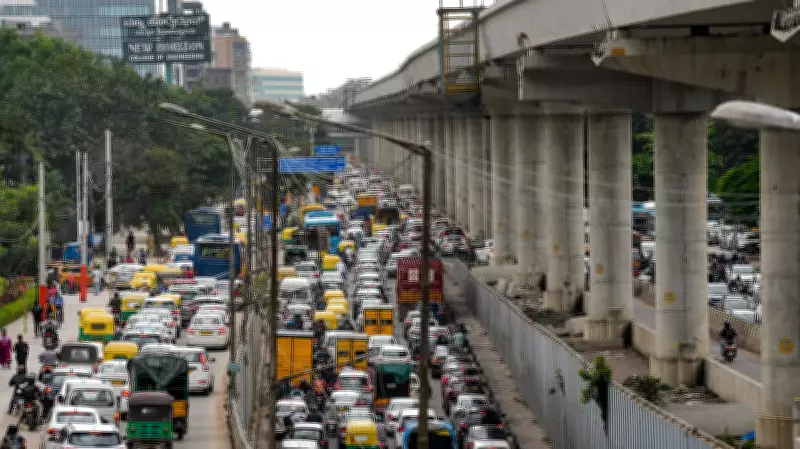
Urban congestion has become a defining challenge for metropolitan centers across India, with cities like Bengaluru experiencing severe traffic gridlocks that disrupt daily life and economic productivity. This persistent issue can be traced to a fundamental imbalance in how mobility budgets are allocated, with a disproportionate focus on vehicular movement at the expense of more equitable transportation solutions.
The Skewed Focus on Vehicular Infrastructure
Historically, urban planning and budgetary allocations in Indian cities have prioritized road expansion, flyovers, and parking facilities designed primarily for private vehicles. This approach has inadvertently encouraged car-centric development, leading to increased vehicle ownership and usage. In Bengaluru, for instance, the rapid growth of IT corridors and residential complexes has outpaced the development of integrated public transport systems, resulting in chronic congestion during peak hours.
The consequences of this skewed budgeting are multifaceted:

- Increased air pollution from vehicle emissions
- Longer commute times affecting workforce productivity
- Higher transportation costs for households
- Reduced accessibility for pedestrians and cyclists
The Need for an Equity-Driven Approach
Transportation experts argue that mobility budgets must undergo a paradigm shift toward equity-based allocation. This involves redirecting resources to support sustainable and inclusive transportation modes that serve all segments of the population, not just vehicle owners.
Key components of an equitable mobility budget include:
- Substantial investment in public transportation infrastructure, including metro expansions and bus rapid transit systems
- Development of safe pedestrian pathways and dedicated cycling lanes
- Integration of last-mile connectivity solutions
- Subsidies and incentives for shared mobility options
- Urban planning that prioritizes mixed-use development to reduce travel distances
Bengaluru's Transportation Challenges and Opportunities
As India's technology capital, Bengaluru faces unique transportation challenges due to its sprawling urban footprint and concentrated employment centers. The city's existing infrastructure struggles to accommodate the daily movement of millions of commuters, with private vehicles occupying disproportionate road space compared to their passenger capacity.
However, Bengaluru also presents significant opportunities for transportation reform. The ongoing metro expansion projects, coupled with initiatives to improve bus services and promote non-motorized transport, demonstrate growing recognition of the need for balanced mobility solutions. What's required now is a comprehensive budgetary reorientation that makes equity the central principle of transportation planning.
The path forward involves:
- Conducting equity assessments of all transportation projects
- Implementing congestion pricing in high-traffic zones
- Creating pedestrian-friendly urban spaces
- Developing integrated fare systems across different transport modes
- Engaging communities in transportation planning processes
As urban populations continue to grow, the need for equitable mobility budgets becomes increasingly urgent. Cities like Bengaluru that pioneer this approach will not only alleviate congestion but also create more livable, sustainable, and inclusive urban environments for all residents.