Understanding Indian Railways' Emergency Quota System
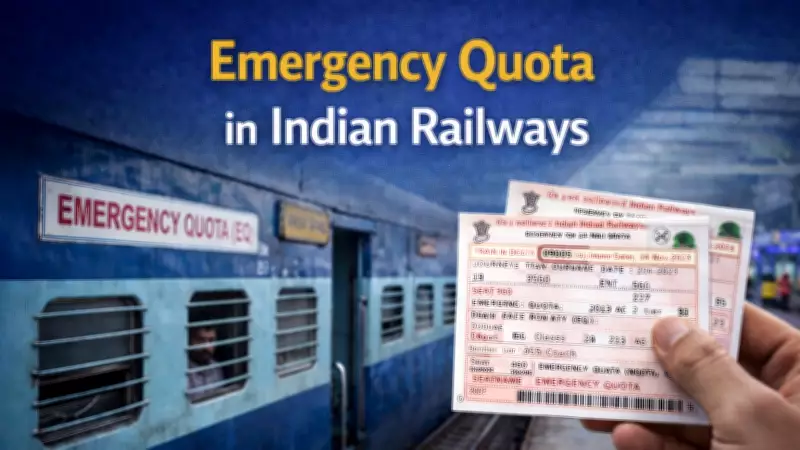
The Indian Railways operates a comprehensive reservation system that includes various quotas to accommodate diverse passenger needs. Among these, the Emergency Quota (EQ) stands out as a critical mechanism designed to address urgent travel requirements for specific categories of individuals. This quota is not universally accessible and is strictly reserved for passengers who meet predefined eligibility criteria, ensuring that it serves its intended purpose effectively.
Who Qualifies for the Emergency Quota?
According to guidelines issued by the Ministry of Railways, the Emergency Quota primarily caters to High Official Requisition (HOR) holders. This group includes:
- Central Government Ministers
- Judges of the Supreme Court and High Courts across various states
- Members of Parliament
These individuals are prioritized when they face urgent travel needs and find themselves on waiting lists for train bookings. Beyond this core group, the Railways also considers requests from other quarters based on the urgency of travel. Factors that may qualify passengers for the quota include:

- Official government duties requiring immediate travel
- Family bereavements necessitating swift movement
- Medical emergencies or sickness requiring urgent attention
- Job interviews or other critical personal commitments
The allocation process takes into account the official status of passengers and the nature of their urgency, ensuring that the quota is utilized for genuine emergencies.
How Does Indian Railways Approve Emergency Quota Requests?
The approval mechanism for the Emergency Quota is structured to handle the high volume of daily requests received by the Ministry of Railways. Railway Minister Ashwini Vaishnaw has clarified that the allotment follows a strict priority system based on the Warrant of Precedence and established long-standing practices.
Initially, accommodation under the Emergency Quota is allocated for the self-travel of HOR holders and Members of Parliament, adhering strictly to their inter-se seniority as defined in the warrant of precedence. Once these requirements are met, the Railways evaluates other requisitions. These may include requests forwarded by Members of Parliament or received directly from various quarters.
The remaining quota is then released after considering multiple factors, such as the official status of the passengers and the specific nature of the urgency. This layered approach ensures a balanced and fair distribution of available seats.
Operational Framework and Prevention of Misuse
To streamline operations and maintain transparency, Emergency Quota cells are strategically located at Zonal and Divisional Headquarters, as well as at some important non-Headquarter stations. These cells serve as the nodal points for processing requests and managing the quota allocations.
In an effort to curb potential misuse of the facility, the Railway Board has issued clear instructions to all Zonal Railways. Accommodation under the Emergency Quota is to be released only on the basis of written requests received from eligible quarters. This measure aims to prevent unscrupulous elements from exploiting the system and ensures that the quota benefits those with legitimate urgent needs.
The Emergency Quota system underscores Indian Railways' commitment to addressing critical travel demands while maintaining a structured and accountable framework. By prioritizing high officials and genuine emergencies, it plays a vital role in facilitating essential journeys across the nation's vast rail network.