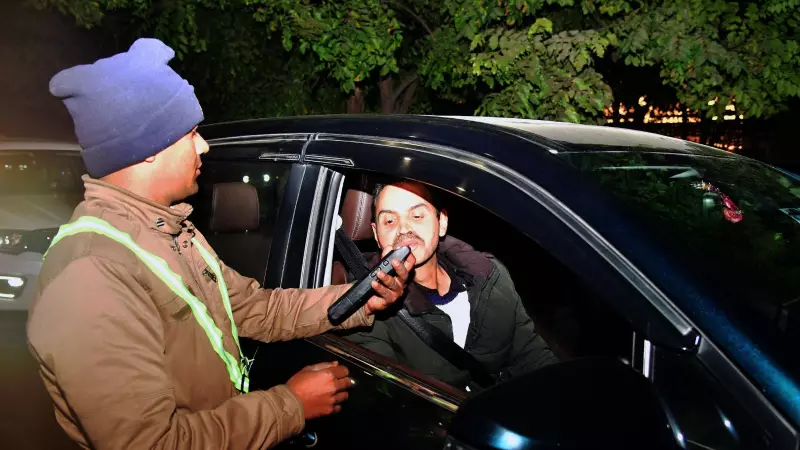
Chandigarh has achieved a dramatic reduction in public grievances against its traffic police, with complaints falling by more than half following the full-scale adoption of automated, technology-driven enforcement systems. Official data reveals a 53 per cent drop in complaints received between August and December 2025 compared to the same period in 2024.
Digital Enforcement Drives Down Disputes
According to a senior traffic police officer, only 15 complaints were registered in the latter half of 2025, down from 32 in 2024. Most complaints historically involved allegations of "wrongful challaning" or bribery. The officer attributed this significant decline directly to the e-challan system, which minimises direct interaction between police personnel and road users. "Since the introduction of the e-challan system in 2020, human intervention has reduced significantly," the officer stated, adding that this was the first formal comparison of complaint data showcasing its impact.
Overwhelming Majority of Challans are Now Automated
The scale of automated enforcement is underscored by data from a 2025 RTI reply. It showed that the Chandigarh Traffic Police issued an average of 96 challans per hour, taking less than a minute to generate each one. In a specific period between July and August 20, 2025, a total of 1,02,222 challans were issued. A staggering 84,204 of these (82%) were generated automatically through CCTV cameras under the Intelligent Traffic Management System (ITMS). Only 18,018 were issued manually by traffic personnel.

This shift is a core part of Chandigarh's Smart City and digital governance initiatives. Enforcement is now primarily conducted through systems integrated with Red-Light Violation Detection (RLVDS), speed detection devices, and ANPR-based surveillance, all monitored centrally at the Police Command and Control Centre (PCCC).
Transparency and Training Build Public Trust
"This transition has reduced direct interaction... cutting down disputes, allegations of bias, and discretionary enforcement," explained an official. Violations captured by certified electronic devices ensure objective, evidence-based policing. Violators receive photographic or video proof of their offence, along with easy online verification and payment options, fostering transparency.
SSP (Traffic) Sumer Pratap Singh emphasised, "In Chandigarh, we are focusing on technology-driven enforcement, which is a global trend. This initiative has produced positive outcomes, with violations reducing considerably since the introduction of e-challaning."
To complement technological measures, the police have also invested in human capacity building. Special training sessions at the Sector 29 Traffic Auditorium have already upskilled 350 traffic officials in communication, soft skills, and behavioural change to ensure courteous public interaction during necessary manual interventions.
Furthermore, the Chandigarh Traffic Police is building a culture of safety from the ground up. Its Road Safety Clubs initiative, launched in schools across the Union Territory, has enrolled 3,786 students from 187 schools. These clubs educate children on traffic rules, helmet use, and pedestrian safety, turning students into road safety ambassadors within their communities.