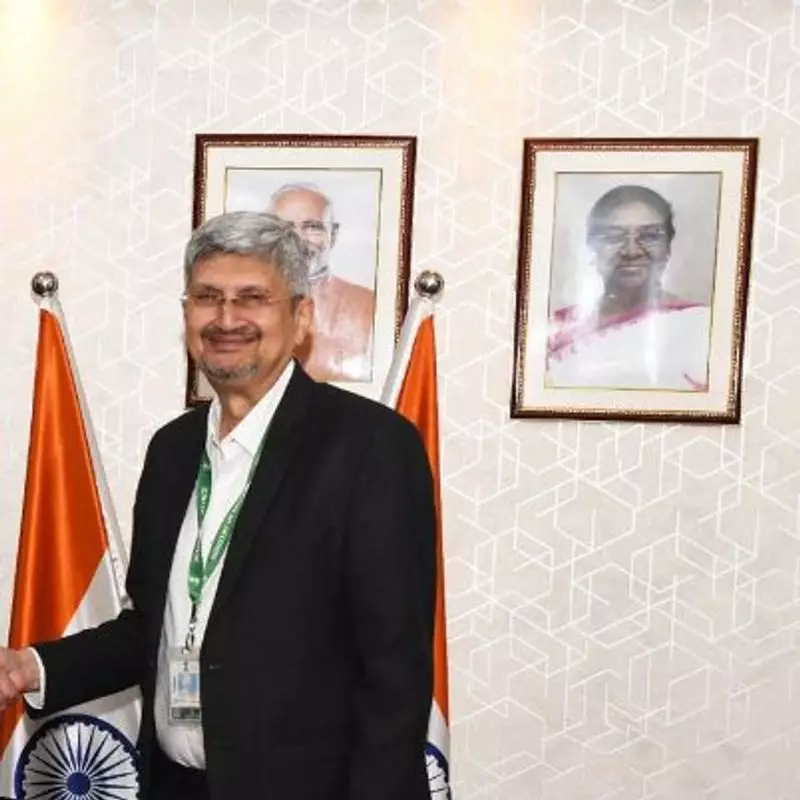
In a landmark declaration, the Defence Research and Development Organisation (DRDO) has propelled India's quest for self-sufficiency in defence into a new era. Dr. Samir V. Kamat, the Chairman of DRDO, stated that the organisation has facilitated a "quantum jump" in the nation's indigenous defence capabilities, marking a pivotal shift away from foreign dependence.
A New Era of Indigenous Defence Systems
Dr. Kamat revealed the staggering progress made under the 'Aatmanirbhar Bharat' (Self-Reliant India) initiative. He highlighted that a massive transformation is underway across the armed forces. Over 90% of the Indian Army's procurement is now sourced indigenously, a figure that underscores the depth of this strategic shift. Similarly, the Navy and Air Force are rapidly increasing their reliance on homegrown technology and systems.
This leap forward is not merely about procurement percentages but about mastering complex, cutting-edge technologies. DRDO's successful development and induction of a range of advanced weapon systems have been central to this achievement. The focus has been on creating a robust ecosystem where design, development, and manufacturing happen within the country, fostering innovation and creating a skilled industrial base.

Flagship Projects Powering Self-Reliance
The DRDO chief outlined several key projects that exemplify this quantum jump. Among the most significant is the Light Combat Aircraft (LCA) Tejas Mk1A program. Kamat confirmed that the production of these advanced fighter jets is proceeding smoothly, with deliveries to the Indian Air Force firmly on track. The Tejas stands as a symbol of India's aerospace prowess.
In the realm of missile technology, the success story continues. The Long-Range Surface-to-Air Missile (LRSAM) project, a collaborative venture, has seen excellent progress. Furthermore, DRDO is developing a new generation of air-to-air missiles to further bolster the Air Force's combat readiness. On the naval front, the commissioning of the INS Imphal, a warship equipped with a substantial 75% indigenous content, was highlighted as a major milestone. The ship is a testament to India's growing warship-building capabilities.
Looking to the future, Kamat pointed to the Project Kusha initiative. This ambitious program aims to develop a long-range air defence system, comparable to the renowned Russian S-400, which will provide a formidable shield against aerial threats. The development of the TAPAS medium-altitude long-endurance (MALE) drone is also advancing, with the system currently undergoing user evaluation trials.
Building a Sustainable Defence Ecosystem
The drive for self-reliance extends beyond creating single systems. Dr. Kamat emphasised DRDO's role in nurturing a holistic defence industrial ecosystem. A prime example is the transfer of technology for the Tank T-90's gun barrel to the private sector. This move ensures that critical components can be manufactured domestically, securing supply chains and enhancing industrial capability.
The overarching message from the DRDO Chairman is one of confident transformation. From a period of significant import dependency, India is rapidly transitioning to a position of strength and autonomy in defence production. The strategic push for indigenisation, championed by DRDO, is not only strengthening national security but also positioning India as a potential player in the global defence market. This quantum jump signifies a resilient and self-sufficient future for India's defence preparedness.