

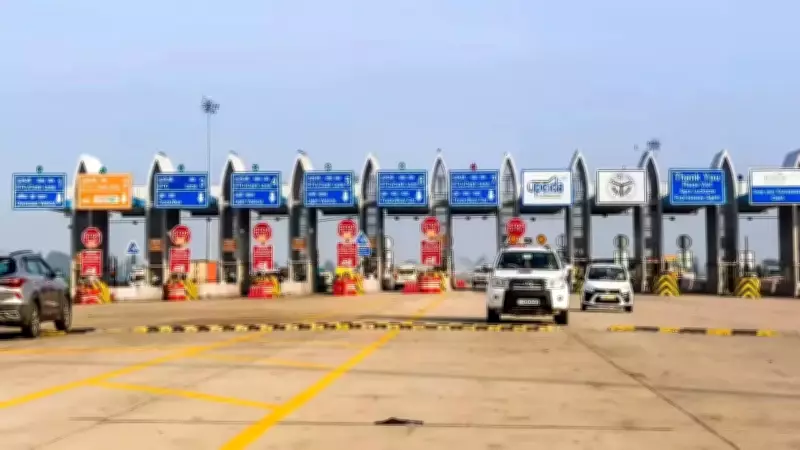
India Mandates Digital Toll Payments on Highways from April 10
The Centre has announced a significant policy shift for highway users, with cash payments at toll plazas set to be completely discontinued starting April 10. This move, officially notified by the road transport ministry, is designed to reduce long queues at toll gates and streamline highway travel for millions of commuters across the country.
Transition to Fully Digital Toll Collection
With this change, toll payments on national highways will now be entirely digital. Vehicles must primarily use a valid FASTag to pass through toll plazas seamlessly. In instances where a FASTag is not available, users can still make payments via UPI, but at a higher cost of 1.25 times the standard toll fee. Authorities have emphasized that vehicles without valid payment methods may be denied entry or removed from the highway, in accordance with existing regulations.
Broader Push for Electronic Toll Systems
This decision is part of a broader initiative by the National Highways Authority of India to transition to an all-electronic toll collection system. The government is also addressing potential misuse of toll exemptions. Instead of allowing motorists to show ID cards at booths, eligible users will now be required to obtain "Exempted FASTags." For others, an annual FASTag pass priced at Rs 3,075 is available, allowing private cars to cross up to 200 toll plazas throughout the year.

Penalties for Non-Compliance
Additionally, if a toll charge remains unpaid, authorities can issue an e-notice to the vehicle owner. Failure to clear dues within three days may result in a penalty of double the toll amount, reinforcing the importance of timely digital payments.
This policy aims to enhance efficiency and reduce congestion on India's highways, marking a key step in the nation's digital infrastructure development.






