Delhi Government Launches Massive Rs 646 Crore Surveillance Project for Women's Safety
In a significant move to enhance women's security across the national capital, the Delhi government has formulated an ambitious plan to deploy approximately 50,000 state-of-the-art CCTV cameras in a phased implementation. The comprehensive project carries an estimated total cost of Rs 646.4 crore, marking one of the largest urban surveillance initiatives in the region.
Budget Allocation and Project Foundation
This proposal directly follows the government's announcement in the previous budget, where it committed to establishing a round-the-clock CCTV surveillance system specifically targeting women's safety. For the financial year 2025-26, an initial allocation of Rs 100 crore has been earmarked under the dedicated 'Women Safety in Delhi' budgetary head, providing the foundational funding to kickstart this critical infrastructure project.
Technical Specifications and Camera Deployment
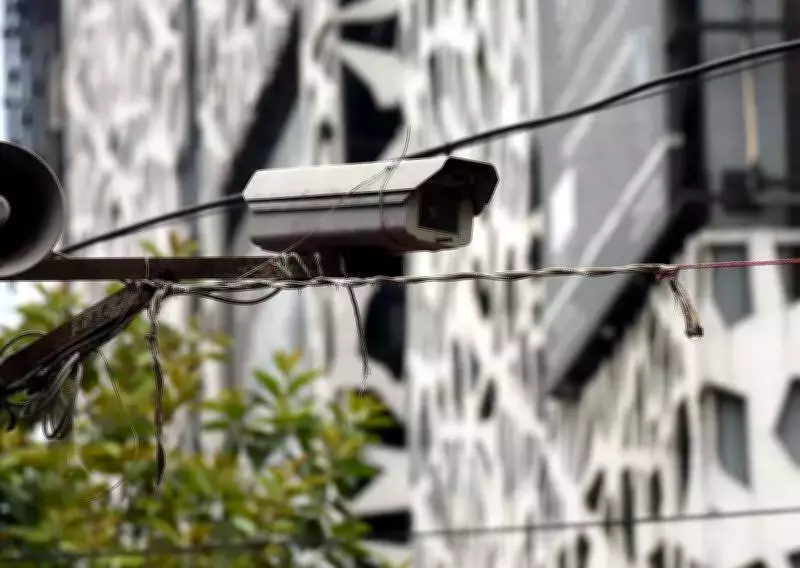
According to preliminary estimates prepared by the Public Works Department, the project cost comprehensively includes third-party quality assurance, contingencies, labor cess, and all statutory charges. The plan involves installing 49,900 four-megapixel IP bullet CCTV cameras that fully comply with STQC (Standardization Testing and Quality Certification) standards. These cameras will be strategically positioned at identified dark spots throughout Delhi, with locations carefully shortlisted based on crucial inputs from both the Women and Child Development Department and Delhi Police.

Each camera will be equipped with a substantial 512GB SD card for local storage capacity, ensuring adequate recording retention. Furthermore, the surveillance network will be enhanced with 100 high-resolution automatic number plate recognition (ANPR) cameras featuring infrared vision capabilities and an impressive capture range extending up to 100 meters. These specialized cameras are specifically designed to improve nighttime surveillance effectiveness and vehicle tracking accuracy, providing law enforcement agencies with powerful tools for both real-time monitoring and thorough post-incident investigations.
Infrastructure and Power Management
The physical infrastructure supporting this surveillance network will be substantial. Approximately 17,000 eight-meter poles will be installed across the city, with each pole accommodating two to three bullet cameras. Additionally, 100 specialized poles will be dedicated exclusively to the ANPR cameras, featuring protective armor for enhanced durability and security.
To guarantee uninterrupted power supply—a critical component for 24x7 surveillance—the project includes the installation of 5,000 solar panel systems integrated with lithium-ion batteries. These systems will provide a minimum of 14 hours of backup power at locations not adequately covered by existing electricity networks. Complementing this, 12,100 UPS units with battery backup of at least 30 minutes will be installed specifically for the CCTV cameras, along with additional high-capacity UPS systems at the central command control center.
Centralized Control and Data Management
A centralized control command center is proposed to be established at the MSO Building in IP Estate, though Delhi Police may finalize an alternative suitable location. This hub will manage the entire surveillance network, with firewall-protected storage systems specifically designed to handle the massive volume of footage generated by 50,000 cameras simultaneously.
Financial Planning and Implementation Timeline
The expenditure for this comprehensive women's safety project will be strategically spread over multiple years to ensure sustainable implementation. The financial projections allocate Rs 50 crore for the 2025-26 period, followed by a substantial Rs 300 crore for 2026-27, with the remaining funds staggered through the fiscal years until 2031-32. This phased financial approach allows for systematic deployment while maintaining budgetary discipline.
This extensive surveillance initiative represents a significant step forward in urban security infrastructure, combining advanced technology with strategic placement to create a safer environment for women across Delhi's diverse neighborhoods.