As a severe cold wave tightens its grip on the national capital, Delhi's network of night shelters has transformed into a vital lifeline for thousands of homeless residents. These government-run facilities are providing much more than just a roof overhead; they offer warm beds, hot meals, and a safe haven from the biting winter chill.
A Network of Warmth in the Capital's Cold
The Delhi Urban Shelter Improvement Board (DUSIB) is operating 195 night shelters across the city during this winter season. This robust network has a total capacity to accommodate over 17,000 individuals every night. The shelters are strategically located to be accessible, with many situated near major hospitals, railway stations, and bus terminals where homeless populations often congregate.
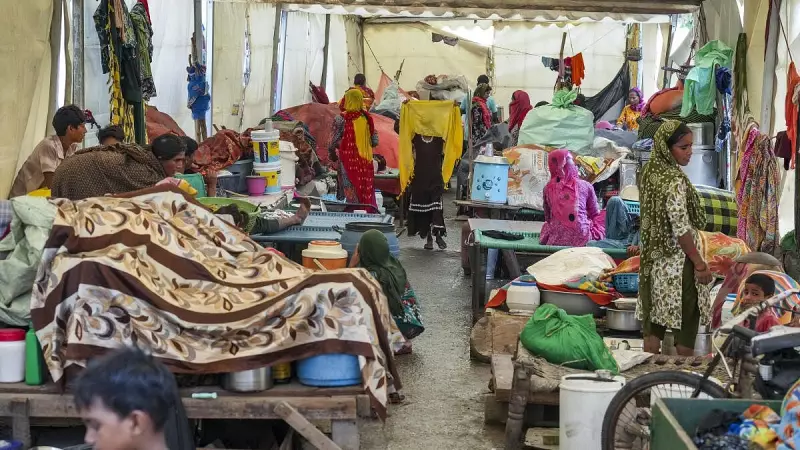
These are not just sparse dormitories. The shelters provide essential amenities designed for survival and dignity in harsh conditions. Inmates receive clean bedding, including blankets and mattresses, to insulate them from the cold concrete floors. A cornerstone of the service is the provision of nutritious hot meals twice a day, ensuring no one sleeps on an empty stomach. The facilities also offer basic but crucial services like clean drinking water, toilets, bathing areas, and medical aid.

Beyond Basic Shelter: Integrated Services and Challenges
The operation of these shelters is a coordinated effort. While DUSIB manages the infrastructure and core services, the Delhi government's Food and Supplies Department ensures the steady provision of food. This collaboration is critical for the shelters' daily functioning. The shelters cater to a diverse group, including daily wage laborers, rickshaw pullers, and those who have fallen on hard times, with separate spaces maintained for women and families.
However, running this extensive network comes with significant challenges. Officials and NGOs point to issues like limited permanent infrastructure and the need for continuous maintenance. Furthermore, reaching every person in need remains an uphill task, as some homeless individuals, due to habit, fear, or lack of awareness, still choose to brave the cold on pavements and under bridges.
Community and Government Response
In response to the intense cold, the shelter authorities have heightened their outreach programs. Teams conduct nightly rounds to identify and persuade people living on the streets to move into the shelters. The effort is not just about providing immediate relief but also about protecting vulnerable lives; exposure to extreme cold can and does lead to fatalities every winter in the city.
The existence and operation of these shelters underscore a critical component of Delhi's urban social safety net. They represent a direct, life-saving intervention by the state, stepping in when temperatures become a public health emergency. For the homeless, these shelters are not merely buildings; they are a temporary respite, a place of community, and a barrier against the city's most unforgiving season.
As the cold wave persists, the role of Delhi's night shelters becomes ever more prominent. They stand as a testament to organized civic response, offering warmth, nourishment, and, most importantly, hope to those with nowhere else to go during the long, cold Delhi nights.