In a significant push towards cleaner air and sustainable transport, the Delhi government is set to launch a fresh Electric Vehicle (EV) policy starting the next financial year. Chief Minister Rekha Gupta, announcing the move on Saturday, stated the policy will focus on financial subsidies, incentives for scrapping old vehicles, and creating a dense network of local charging stations. The overarching goal is to make Delhi the nation's premier EV hub while tackling the capital's persistent air pollution crisis.
Core Pillars: Affordability and Infrastructure
The government's vision, as articulated by CM Gupta, is to make electric vehicles accessible to the common citizen. "Our goal is to ensure that EVs are affordable for every middle-class family in Delhi and that charging them is as easy as charging a mobile phone," she said. To bridge the cost gap with conventional petrol and diesel vehicles, the policy will offer direct subsidies. While the final incentive structure is still under deliberation and not yet public, it is designed to make the upfront cost of an EV more competitive.
Parallelly, a vehicle scrappage scheme will be introduced to phase out highly polluting older vehicles from Delhi's roads. The Chief Minister's office confirmed that citizens who scrap an old petrol or diesel vehicle will receive additional financial benefits when purchasing a new electric vehicle, though the exact incentive amount remains undisclosed.

Building a Robust Charging Ecosystem
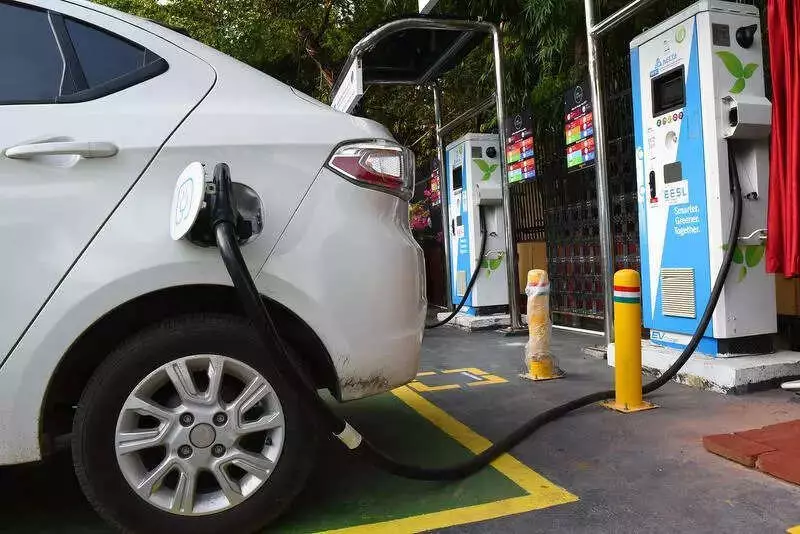
A critical component of the new policy is the planned massive expansion of charging infrastructure, with a specific focus on residential colonies. The government intends to simplify the process through a single-window clearance system for setting up charging stations. The blueprint also includes:
- Widespread network expansion across the city.
- Introduction of battery swapping facilities to reduce wait times.
- Establishing a system for the scientific disposal of used batteries to minimise environmental impact.
This integrated approach aims to address 'range anxiety' and make EV ownership a practical daily reality for Delhiites.
Driving Towards an EV Capital
Chief Minister Gupta emphasised the direct environmental payoff of the policy. She linked wider EV adoption to a reduction in harmful particulate matter, stating it "will directly reduce PM2.5 and PM10 levels." By weaving together subsidies, scrappage benefits, and seamless charging access, the government aims not just to lead India but to position Delhi as a potential global EV capital.
This new framework comes after Delhi's first EV policy, notified in 2020, expired in August 2023. It had been extended periodically during the drafting of the new policy. The old policy offered subsidies like Rs 5,000 per kWh for two-wheelers (capped at Rs 30,000) and a Rs 30,000 flat incentive for three-wheelers. Subsidies for electric cars, capped at Rs 1.5 lakh, were limited to the first 1,000 vehicles and later stopped. EVs also enjoyed exemption from road tax and registration fees.
A high-level committee, chaired by Power Minister Ashish Sood, has been scrutinising the policy details for the past four months. This panel is now in the final stages of determining the subsidy structures, incorporating recommendations from various experts to shape a comprehensive and effective roadmap for Delhi's electric mobility future.