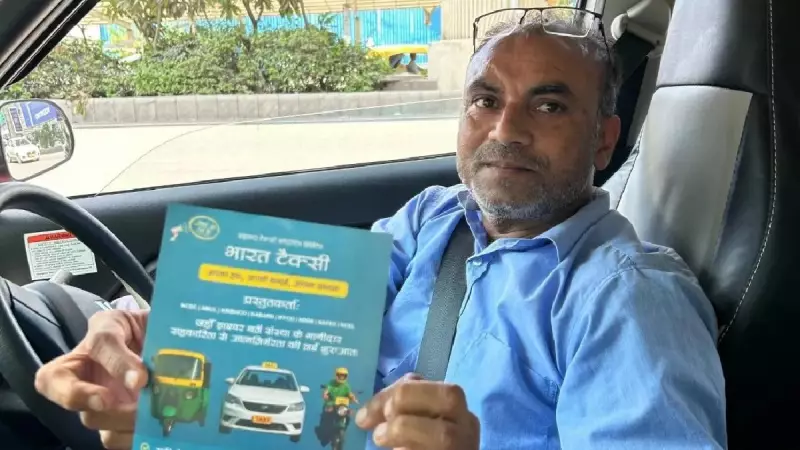
In a major move set to reshape urban mobility, the national capital is gearing up to launch its own app-based taxi service. Named Bharat Taxi, this new platform will commence operations across Delhi from January 1, 2025. The service aims to provide a credible and competitive alternative to existing private players like Ola, Uber, and Rapido.
What is Bharat Taxi and How Will It Work?
The Delhi government is spearheading the launch of the Bharat Taxi service. It will function as a fully-fledged, government-backed aggregator platform, connecting passengers with taxi drivers through a dedicated mobile application. The primary objective is to create a more balanced ecosystem that benefits both commuters and drivers, addressing long-standing grievances associated with current market leaders.
The official launch date is set for Wednesday, January 1, 2025. This strategic rollout at the start of the new year is expected to generate significant public interest and adoption. The service will be available throughout the National Capital Territory of Delhi, aiming to cover all major zones, residential areas, commercial hubs, and transit points like airports and railway stations.

Key Features and Competitive Edge
Bharat Taxi enters the market with several proposed advantages designed to attract users. A central promise is competitive and transparent pricing. The service intends to offer fares that are on par with, or potentially lower than, those of its private competitors, making it an attractive option for cost-conscious daily commuters.
For drivers, the platform proposes a more favourable revenue-sharing model. A common complaint among drivers on existing platforms has been the high commission rates charged by aggregators, which can significantly eat into their earnings. Bharat Taxi plans to address this by ensuring drivers retain a larger share of the fare, thereby improving their livelihood and incentivizing them to join the new platform.
The user experience is slated to be seamless, with a focus on reliability and safety. The app will allow passengers to book rides, track their taxi in real-time, make digital payments, and access customer support. By offering a familiar yet potentially improved service model, the Delhi government hopes to capture a substantial share of the city's vast taxi market.
Market Impact and Future Implications
The entry of Bharat Taxi is poised to disrupt the established oligopoly of Ola and Uber, with Rapido also being a key player in the bike-taxi segment. For years, these companies have dominated the app-based mobility sector in Delhi with minimal direct competition from a state-backed entity. This move signals a more interventionist approach by the government in regulating and participating in the digital economy's key sectors.
Consumers stand to benefit from increased choice, which could lead to better service standards, promotional offers, and more competitive pricing as platforms vie for market share. For drivers, the alternative platform could empower them with better bargaining power and working conditions.
The success of Bharat Taxi in Delhi could set a precedent for other Indian states and union territories. If the model proves successful in terms of user adoption, driver satisfaction, and operational sustainability, we may see similar government-initiated taxi aggregator services launched in other major metropolitan areas across the country.
The launch on New Year's Day marks a significant step in the Delhi government's vision for urban transport. It reflects an effort to harness technology for public service while ensuring the market remains competitive and fair. All eyes will now be on January 1, 2025, to see how this new contender performs in the bustling and demanding streets of Delhi.