

Delhi Government Unveils Comprehensive Power Infrastructure Modernization Plan
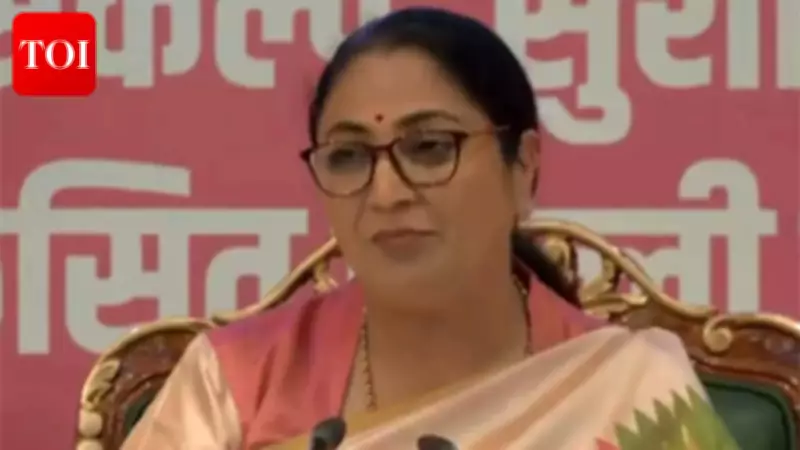
In a significant move to bolster the national capital's electricity capabilities for the coming half-century, Chief Minister Rekha Gupta inaugurated a major project on Wednesday aimed at shifting overhead power cables underground in the historic Chandni Chowk area. The announcement marks a pivotal step in Delhi's long-term energy strategy.
Underground Wiring Project in Old Delhi
The flagship initiative, costing Rs 160 crore, will eliminate hanging electricity cables from 28 roads and streets in Old Delhi, including prominent locations such as Kucha Mahajani, Bhagirath Palace, Jama Masjid Road, and Nai Sadak. According to a statement from the Chief Minister's Office (CMO), this underground conversion spans 52.5 kilometers in Chandni Chowk alone.
The primary objectives are to enhance safety, reduce fire hazards, minimize weather-related power disruptions, improve supply reliability, and aesthetically beautify the historic precinct. Approximately 10,000 consumers will directly benefit from these improvements. To minimize disruption to daily life and traffic, the work will be executed in phases during night hours.

Supporting Electric Vehicle Adoption and Heritage Revival
Addressing the gathering, CM Gupta emphasized that the government is aggressively promoting electric vehicle (EV) adoption, which will substantially increase future power demand. "This infrastructure upgrade is crucial to meet the growing energy needs driven by our EV push," she stated.
In a parallel heritage conservation effort, the government plans to revive the historic Town Hall building as a monument, integrating cultural preservation with urban development.
New Grid and Battery Storage Systems
The inauguration also included the foundation laying for multiple advanced power projects:
- Mandoli GIS Indoor Grid: A 66/11 KV, 63 MVA gas-insulated switchgear (GIS) indoor grid at Mandoli, constructed at a cost of Rs 55.5 crore. This facility will strengthen the power backbone of north-east Delhi, benefiting nearly 1.5 lakh consumers in areas like Mandoli, Harsh Vihar, Bank Colony, and adjoining neighborhoods. It is targeted for completion within 18 months and will provide assured power to key institutions including Rajiv Gandhi Super Speciality Hospital, Mandoli Jail, and a DTC EV bus depot.
- Battery Energy Storage Systems (BESS): Four standalone utility-scale BESS units across south and west Delhi, with a total capacity of 55.5 MW. Implemented by BSES Rajdhani Power Limited (BRPL), these systems will benefit around 222,000 consumers in Shivalik, Dwarka (G-5 and G-7), and Goyla Khurd by ensuring seamless supply, reducing peak-hour load shedding, improving voltage stability, and strengthening the grid. The technology supports environmental sustainability and clean energy transition.
Digital Integration and Timelines
A digital twin-enabled system will be introduced to provide real-time intelligence and predictive monitoring for Old Delhi's modernized power network, enhancing operational efficiency. All projects, including the underground wiring, grid, and battery systems, are targeted for commissioning before March 2027.
This comprehensive initiative represents a holistic approach to power infrastructure, combining safety upgrades, capacity expansion, technological innovation, and environmental considerations to secure Delhi's energy future for decades to come.






