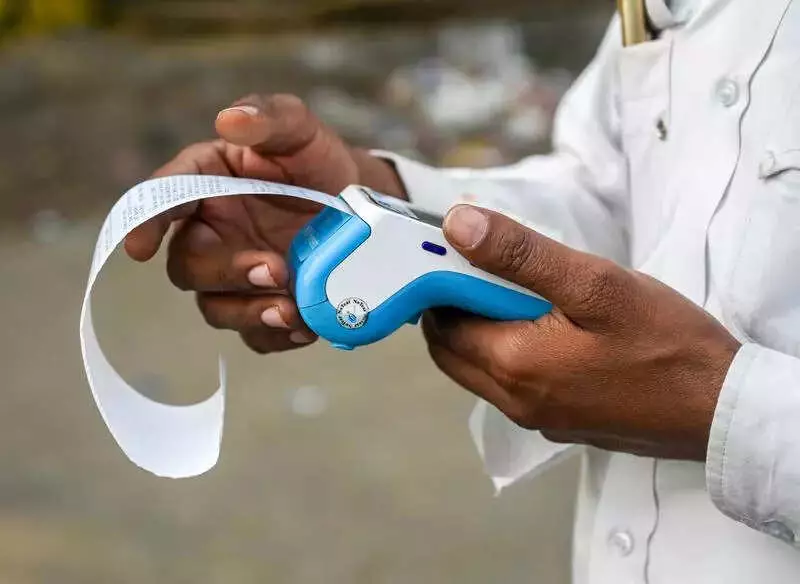
In a significant push towards digital governance and citizen convenience, the Delhi Traffic Police has announced a major upgrade to its fine payment system. Commuters will soon be able to settle their traffic challans through the Bharat Bill Payment System (BBPS) across all Unified Payments Interface (UPI) platforms.
A Leap Towards Seamless Digital Payments
This initiative is designed to drastically simplify the process of paying fines and ensure timely compliance from road users. By integrating with BBPS, the system will allow individuals to pay their challans using any major UPI application they already have on their smartphones. Officials state that the move will provide a secure and seamless payment experience, reducing the reliance on physical payment methods and significantly improving the efficiency of fine collection.
Partnership and Implementation
To bring this system to life, the Delhi Traffic Police has formally entered into a partnership with the State Bank of India (SBI). The Memorandum of Understanding (MoU) was signed by Additional Commissioner of Police (Traffic Headquarters) Satya Vir Katara. Following the completion of necessary documentation and procedural formalities, the technical integration with the BBPS network will commence shortly.

Once the system goes live, it promises several benefits for the public:
- Faster settlement of fines.
- Greater transparency in transactions.
- Smoother tracking of payments.
The authorities expect this accessibility and convenience to lead to a substantial boost in daily challan payments.
Aligning with Digital India
Additional CP Satya Vir Katara emphasized that this step is in direct alignment with the Government of India's flagship Digital India vision. It reflects the Delhi Traffic Police's ongoing commitment to modernizing traffic management and citizen services through technological innovation. This move is seen as a crucial part of making government interactions more efficient and user-friendly for the residents of the national capital.