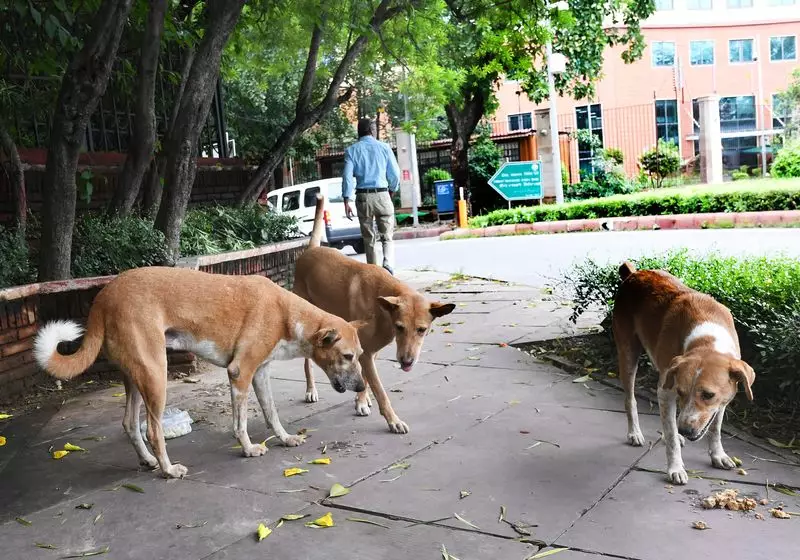
Delhi MCD Maps 735 Stray Dog Feeding Spots Amid Supreme Court Oversight
The Municipal Corporation of Delhi has taken a significant step in managing the city's stray dog population. Authorities have officially identified 735 designated feeding spots across the capital. This move comes as the Supreme Court of India closely monitors issues related to animal welfare and public safety in urban areas.
Response to Judicial Scrutiny
Delhi's civic body acted swiftly in response to heightened judicial attention. The Supreme Court has been examining cases concerning the humane treatment of stray animals and the need to balance community concerns. By mapping these feeding locations, the MCD aims to create a more organized system for caring for street dogs while addressing potential conflicts with residents.
Officials stated that this initiative will help regulate feeding practices. It ensures that stray dogs receive consistent nourishment without causing public nuisance. The identified spots are spread throughout various neighborhoods in Delhi, covering both residential and commercial zones.

Implementation and Public Awareness
The MCD plans to roll out awareness campaigns to inform citizens about the new feeding spots. They will encourage animal lovers and caregivers to use these designated areas exclusively. This approach seeks to minimize random feeding on streets and sidewalks, which often leads to littering and disputes among locals.
Key features of the plan include:
- Clear signage at all 735 locations to mark them as official feeding zones.
- Coordination with resident welfare associations and animal NGOs for effective implementation.
- Regular monitoring by MCD staff to ensure compliance and hygiene standards.
Animal rights activists have welcomed this development. They see it as a positive step towards creating a more compassionate urban environment. However, some groups emphasize the need for additional measures like vaccination drives and sterilization programs to control the stray dog population humanely.
Broader Implications for Urban Governance
This action by the MCD reflects a growing trend in Indian cities to address animal welfare through structured policies. With Supreme Court oversight, local bodies are increasingly accountable for implementing practical solutions. The identification of feeding spots not only aids stray dogs but also promotes cleaner public spaces and reduces health risks.
Residents of Delhi have expressed mixed reactions. While many appreciate the effort to systematize feeding, others call for stricter enforcement to prevent dog bites and maintain sanitation. The MCD assures that this is part of a larger strategy to manage urban wildlife responsibly.
As the Supreme Court continues its scrutiny, the success of this initiative could set a precedent for other metropolitan areas in India. It highlights the importance of collaborative governance between judiciary, civic authorities, and citizens in tackling complex urban challenges.