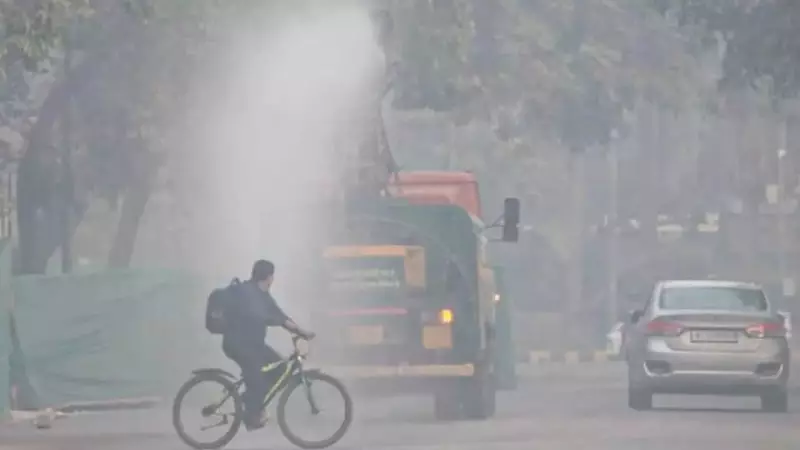
In a decisive move to combat the severe air pollution crisis, the Delhi government has mandated a significant shift to remote work for the capital's offices. Starting Thursday, both government and private establishments in the city must operate with a maximum of 50% of their staff physically present, with the remaining half required to work from home.
Strict Work-From-Home and Carpooling Mandate
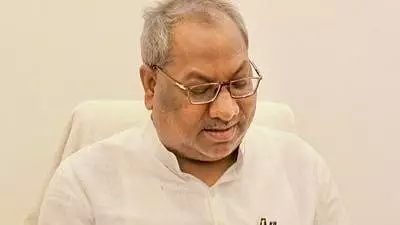
Delhi Labour Minister Kapil Mishra announced the new directive on Wednesday, emphasizing that establishments must strictly enforce the work-from-home norms. He also urged offices to motivate employees to adopt car-pooling to further reduce vehicular emissions. The labour department later issued a formal advisory, reinforcing the restrictions and warning that non-compliance is punishable under sections 15 and 16 of the Environment (Protection) Act, 1986, and other applicable laws.
However, the work-from-home order will not apply to essential services. These exemptions include:

- Hospitals and healthcare services
- Fire services and prisons
- Public transport systems
- Electricity and power services
- Pollution control boards
- Forest department and Delhi Jal Board
Financial Relief for Construction Workers Amid GRAP 4
The directive is part of the Graded Response Action Plan (GRAP) Stage 4, the highest and strictest level of anti-pollution measures in Delhi-NCR. Under GRAP 4, all construction and demolition activities are banned, diesel trucks not carrying essential goods are barred from entering Delhi, and fuel will not be provided to vehicles without a valid Pollution Under Control (PUC) certificate.
Recognizing the hardship caused to daily-wage earners by the construction ban, the government announced a compensation package. Each registered construction worker in Delhi will receive a financial assistance of Rs 10,000 to offset the income loss during the 16-day halt in construction mandated by GRAP provisions.
Minister Mishra stated that the decision was taken to address the livelihood concerns of workers affected during the previous restriction period from November 11 to November 26. As of December 17, there are 2,57,244 workers registered with the Delhi Building and Other Construction Workers Welfare Board. Mishra assured that the verification process for beneficiaries is ongoing and the aid amount will be transferred directly to their bank accounts upon completion of verification.
Flexible Hours and Political Accusations
Beyond the 50% mandate, the government is encouraging offices to adopt flexible working hours to stagger staff arrival and departure times, reducing peak-hour traffic congestion. "It is not necessary that all staff come and go at the same time; the establishments can stagger this a bit," Mishra advised.
The minister also took a political dig, blaming the previous Aam Aadmi Party government for "playing politics on pollution." He accused the former administration of negligence over 13 years, leading to the current state of dust, potholes, and broken roads in the city, asserting that the problem is not merely a result of the past few months.
This combined strategy of enforced remote work, traffic reduction measures, and direct financial support highlights the government's multi-pronged approach to tackling the public health emergency posed by Delhi's toxic air, while attempting to cushion the economic impact on its most vulnerable workforce.