Delhi Chief Minister Unveils Major Power Infrastructure Modernization Initiative
In a significant move to upgrade Delhi's electrical network, Chief Minister Rekha Gupta launched a comprehensive series of projects on Thursday. The initiative focuses on modernizing the city's power infrastructure while carefully preserving the heritage character of the historic Walled City area.
Chandni Chowk Underground Cabling Project Takes Center Stage
The flagship project involves converting the existing overhead electricity network in Chandni Chowk into a modern underground system. With an estimated cost of nearly Rs 160 crore, this ambitious undertaking will transform 26 key roads in the historic precinct. According to BSES, approximately 52.5 kilometers of wiring will be relocated underground as part of this modernization effort.
The project includes the installation of almost 500 new feeder pillars and decorative street lighting poles. Additionally, digital twin technology will be deployed for real-time monitoring of the entire network, representing a significant technological advancement in urban infrastructure management.

Officials have confirmed that the work will be executed in carefully planned phases, with most construction activities scheduled during night hours. This strategic approach aims to minimize disruption to residents, local traders, and traffic movement in one of Delhi's busiest commercial districts. Approximately 10,000 consumers are expected to directly benefit from this infrastructure upgrade.
Addressing Safety Concerns in Historic Areas
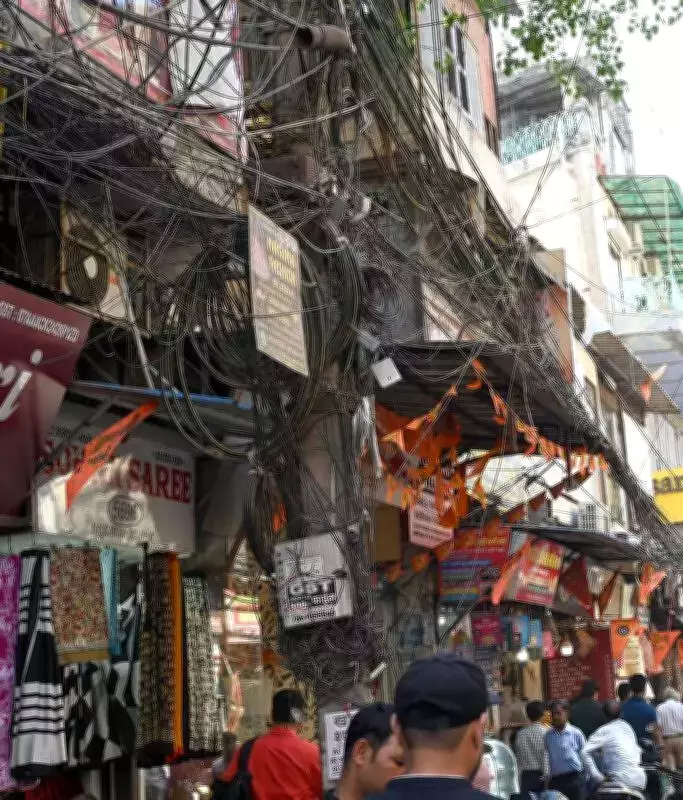
The existing electrical infrastructure in and around Chandni Chowk has raised serious safety concerns for years. The narrow, historic lanes are crisscrossed with dense, tangled overhead wires carrying electricity, internet, and cable services. These wires hang dangerously low over streets and shops, creating significant fire hazards, electrocution risks, and short-circuit dangers in this densely populated commercial area.
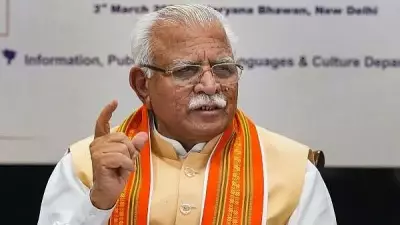
Chief Minister Gupta emphasized that the underground cabling project represents "a landmark step towards both heritage conservation and smart infrastructure development." She explained that the initiative will make the area safer, more organized, and aesthetically refined while preserving its historical character.
The Chief Minister also revealed that while an earlier assurance of Rs 100 crore was made for development works in the Chandni Chowk Lok Sabha constituency, the allocation could potentially increase to Rs 1,000 crore depending on emerging requirements. She noted that redevelopment of 28 roads has already commenced in the current phase of the project.
Mandoli Grid Substation Foundation Laid
In east Delhi's Mandoli area, Chief Minister Gupta laid the foundation stone for a new 66/11 kV GIS grid substation. This project, estimated to cost Rs 55.5 crore, will feature a capacity of 63 MVA and is targeted for completion within 18 months. Approximately 1.5 lakh consumers in Mandoli, Harsh Vihar, Bank Colony, and adjoining areas are expected to benefit from this infrastructure addition.
The new grid substation is designed to reduce voltage fluctuations and frequent power outages while ensuring reliable electricity supply to key institutions in the area. These include the Rajiv Gandhi Super Speciality Hospital, Mandoli Jail, and the DTC EV bus depot, all of which require consistent power for their critical operations.
Battery Energy Storage Systems for South and West Delhi
Meanwhile, four new Battery Energy Storage System (BESS) projects under BRPL are targeted for commissioning before March 2027. These systems will benefit nearly 50,000 consumers in Shivalik, approximately 1.8 lakh consumers in Dwarka, and 28,000 consumers in Goyla Khurd.
The battery storage systems are expected to significantly reduce peak-hour load shedding, improve voltage stability throughout the network, and support Delhi's transition toward cleaner energy sources. This represents a forward-looking approach to energy management that addresses both current reliability concerns and future sustainability goals.

Comprehensive Power Sector Transformation
Power Minister Ashish Sood described the program as reflecting a "forward-looking transformation" of Delhi's power sector. He revealed that projects worth Rs 3,000 crore pending under DTL have received approval, indicating significant momentum in infrastructure development.
Minister Sood further announced that "a Rs 17,000-crore roadmap has been prepared for the next three years, positioning Delhi's power infrastructure to meet future demand." This comprehensive plan suggests a sustained commitment to upgrading the city's electrical network to accommodate growing population needs and technological advancements.
The combined initiatives launched by Chief Minister Gupta represent one of the most significant power infrastructure modernization efforts in Delhi's recent history. By addressing both immediate safety concerns in historic areas and implementing forward-looking technologies like battery storage systems, the government aims to create a more reliable, efficient, and visually appealing electrical network for India's capital city.