

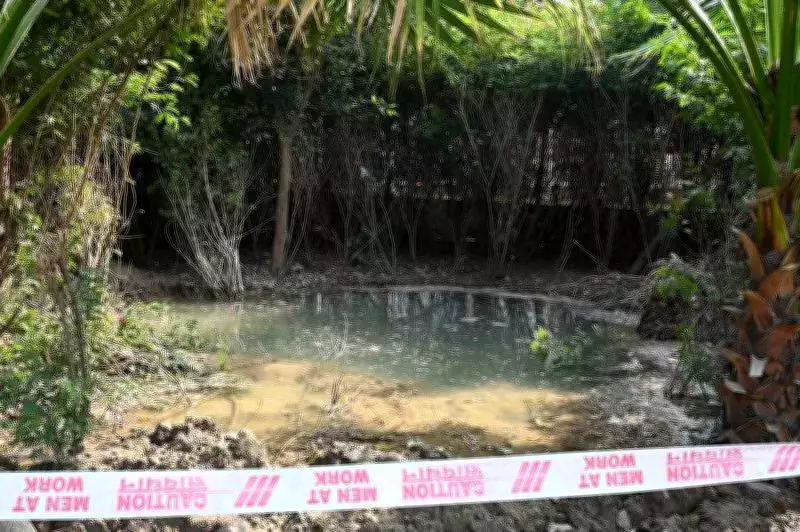
Delhi Biker's Tragic Death in Open DJB Pit Reignites Civic Safety Debate
The fatal fall of a 25-year-old biker into an uncovered Delhi Jal Board pit on Friday has thrust the critical issue of civic worksite safety back into the spotlight, prompting renewed demands for stricter on-ground monitoring and accountability. This tragic incident has exposed systemic failures in safety compliance across multiple agencies responsible for urban infrastructure maintenance.
Multiple Warnings Ignited Before the Tragedy
Investigations reveal that safety alerts were repeatedly issued but allegedly ignored in the lead-up to the accident. A January 24 letter from the Delhi Jal Board addressing site safety checks appears to have been disregarded, while Delhi Traffic Police separately flagged unsafe civic work practices in the Tilak Nagar-Janakpuri area on February 4. Officials confirmed that excavation at the west Delhi site began on February 5, just one day after the February 4 communication from traffic authorities.
The traffic police's letter, specifically addressed to the executive engineer in Janakpuri, detailed multiple instances of civic negligence throughout the area. These included debris left on main roads and service lanes even after repair work completion, persistent potholes, and inadequate restoration of damaged road sections. The communication emphasized that these conditions created significant safety hazards for both commuters and pedestrians.

Immediate Aftermath and Official Response
Following Friday's devastating incident, the Delhi government swiftly wrote to all concerned agencies, including traffic police, directing them to ensure proper protection, barricading, and safety compliance at worksites across the capital. Delhi Police has registered a First Information Report for culpable homicide against the project contractor and DJB officials, with the agency suspending three officials in connection with the case.
Additional Commissioner of Police (Traffic) DK Gupta explained the standard procedures: "As part of standard procedure, traffic police notify agencies about all works being carried out in an area. The communication is not limited to traffic diversion—it includes instructions on site cleanliness, debris removal and adherence to laid-down safety protocols. In this area, the agency was informed about maintaining sites properly, from clearing debris to following protocols."
Systemic Compliance Failures and Wider Safety Concerns
The traffic police communication highlighted a troubling pattern of lax compliance, noting that agencies increasingly treated work notifications as mere formalities and often began projects without proper coordination with traffic authorities. Sources indicated that these early warnings were specifically designed to help agencies implement necessary safety arrangements in advance.
Senior DJB officials acknowledged that their January 24 communication was issued at the departmental level but indicated that neither traffic police alerts nor repeated departmental warnings fully translated into ground-level compliance. This suggests a significant disconnect between policy directives and practical implementation.
Additional CP Gupta emphasized the ongoing monitoring efforts: "Our officials are constantly on the ground and act as watchdogs at most worksites. Standard advisories include proper signage, barricading and compliance with prescribed norms. Submission of the mandatory proforma and adherence to the laid-down procedures is essential."
Broader Urban Safety Challenges Documented
Delhi Traffic Police routinely identifies urban hazards affecting road safety and traffic flow, including stray cattle blocking roads, pedestrians jaywalking, and vendors encroaching on carriageways. The department issued at least 154 letters until November 2025, pinpointing problem spots where relatively small corrective measures could significantly improve both safety and traffic movement. Most communications were addressed to key agencies like the Public Works Department and Municipal Corporation of Delhi.

Many concerns highlighted everyday hazards rather than complex design failures. The most frequently flagged issue—identified at 37 locations—involved carriageway obstructions, including markets with bus stops positioned too close to junctions, lanes narrowed by encroachments, and roads taken over by vendors or stray cattle.
Speed management gaps were documented at 31 locations. In areas such as Mayur Vihar near Ryan International School and NH-44 near Mukarba Chowk, inconsistent rumble strips, poorly marked speed breakers, and chaotic merge points continued to pose substantial risks to commuters.
Corrective Measures and Ongoing Challenges
PWD officials confirmed that several corrective steps are underway, including speed-calming measures, tenders for 21-foot overbridges, additional U-turns, and signage upgrades. While MCD had removed stray cattle from some stretches and shifted weekly markets from roads like Bhagwan Mahavir Marg, encroachments have reappeared in certain areas, indicating persistent implementation challenges.
This tragic incident serves as a stark reminder of the urgent need for coordinated action, stricter enforcement of safety protocols, and greater accountability among all agencies responsible for Delhi's urban infrastructure and public safety.





