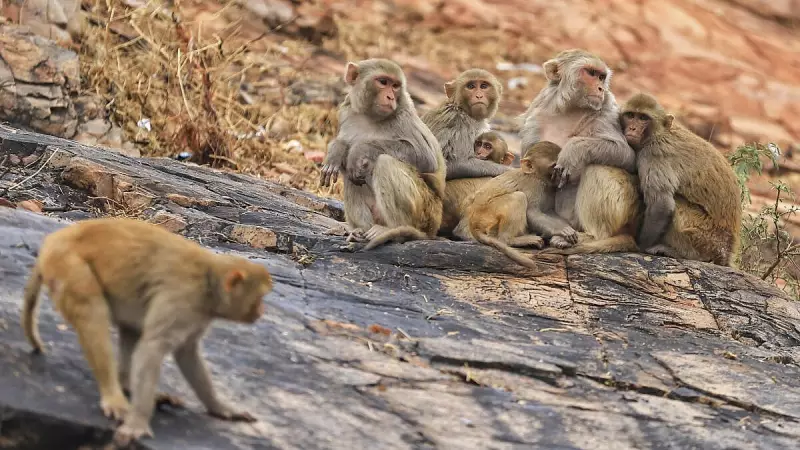
In an innovative move to tackle a persistent urban wildlife problem, officials at the Delhi Assembly have devised a unique plan. They intend to use the recorded sounds of langurs, a natural predator, to scare away troublesome monkeys that have been causing havoc in and around the government complex.
The Simian Menace at the Assembly
According to officials familiar with the situation, dozens of monkeys have made the vicinity of the Delhi Assembly their home. These primates are not just passive residents; they actively create significant trouble. Their activities include jumping onto electrical wires and satellite dish antennas, often leading to breakages and disruptions. This has posed a recurring challenge for the maintenance and smooth functioning of the area, prompting authorities to seek an effective and humane solution.
A Bio-Acoustic Solution
The planned solution is both simple and rooted in natural animal behavior. Langurs are known to be predators of smaller monkeys, and their presence or calls typically induce fear, causing other monkeys to flee the area. Instead of deploying actual langurs, which raises its own set of logistical and ethical concerns, the assembly authorities plan to use pre-recorded audio of langur calls. This bio-acoustic method is designed to create the auditory illusion of a predator's presence, thereby deterring the monkey groups from encroaching on the assembly premises and its surrounding infrastructure.

Implementation and Expectations
The initiative, reported on January 2, 2026, represents a non-invasive approach to human-wildlife conflict in the heart of the national capital. The use of sound as a deterrent is considered safer than other methods, as it avoids direct physical confrontation with the animals. Officials hope this strategy will prove effective in reducing the damage caused by the monkeys, which includes not only broken equipment but also potential safety hazards for staff and visitors. The success of this pilot project could set a precedent for other government buildings and public spaces in Delhi facing similar issues with urban monkey populations.
This plan underscores the ongoing challenges Indian cities face with wildlife adaptation and the continuous search for creative, coexistence-based solutions. The Delhi Assembly's experiment with langur sounds will be closely watched as a potential model for simian management in urban ecosystems.