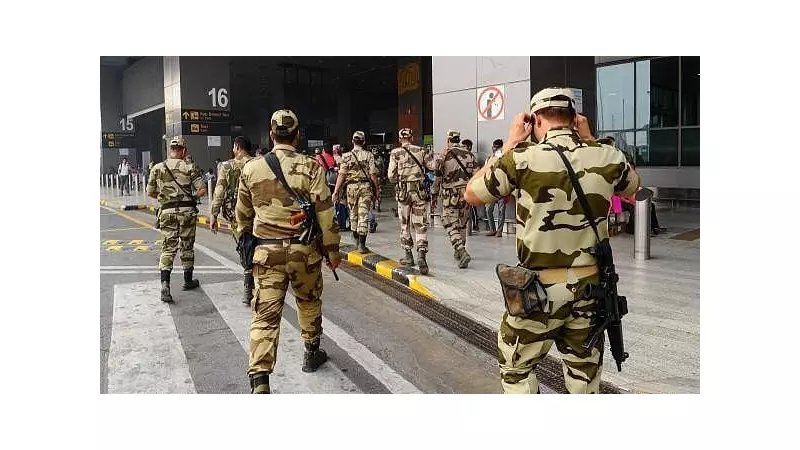
In a significant move to bolster India's coastal and maritime security, the central government has officially designated the Central Industrial Security Force (CISF) as the primary security organisation for the nation's seaports. This pivotal decision, announced on November 21, 2025, centralizes critical security functions under the specialized paramilitary force.
A New Mandate for Maritime Security
The new directive empowers the CISF to take the lead on all core security operations at major and minor ports across the country. This is a strategic shift aimed at standardizing and professionalizing the security apparatus guarding India's vital maritime trade gateways.
The key responsibilities now entrusted to the CISF include conducting comprehensive and updated threat and vulnerability assessments of all port facilities. Based on these assessments, the force will be solely responsible for preparing and implementing robust security plans tailored to each port's unique needs.

Core Functions and Responsibilities
Beyond planning and assessment, the CISF will now be at the forefront of executing core security duties. This encompasses access control, perimeter security, surveillance, and the protection of critical port infrastructure against potential threats.
The decision underscores the government's confidence in the CISF's proven expertise in securing critical infrastructure, which it already provides for airports, nuclear plants, and other sensitive establishments. This consolidation of security leadership is expected to create a more cohesive and responsive security environment.
Implications for National Security and Trade
This centralization is anticipated to have far-reaching positive consequences. By having a single, highly-trained force managing security, response times to incidents can be improved, and coordination between different agencies within the port area will become more streamlined.
For a maritime nation like India, where over 90% of trade by volume passes through seaports, securing these hubs is paramount to national economic security. This move is seen as a crucial step in fortifying the country's maritime borders and ensuring the smooth and safe flow of commerce, aligning with broader national security objectives.