In a significant administrative reform aimed at enhancing transparency and efficiency, the Chandigarh Estate Office is set to roll out a new 'First-In, First-Out' (FIFO) system for handling all service applications and files. This move is designed to completely eliminate the discretion officials previously had in prioritizing cases, which often led to allegations of favoritism and unnecessary delays for older applications.
How the New FIFO System Will Work
The core of the new mechanism involves a software-based solution that will automatically time-stamp each application or file the moment it is submitted. This digital timestamp will dictate the exact order of processing, with the system itself blocking any attempt to bypass the established submission sequence. Officials will be mandated to deal with files strictly in the chronological order of their receipt.
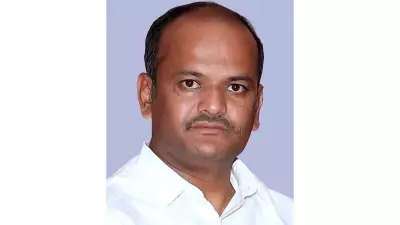
Nishant Kumar Yadav, the Deputy Commissioner-cum-Estate Officer, explained the transformative impact of this system. "The system will automatically prevent any manipulation of file sequence. It will end any scope of favouritism on the part of the dealing hands," Yadav stated. He further emphasized that officials will no longer be able to ignore a file and keep it pending while attending to later submissions.

Enhanced Monitoring and Broad Application
To ensure accountability and provide oversight, the new framework will include live dashboards for senior officers. These dashboards will enable real-time monitoring of file movement, processing status, and pendency across different levels. "A dashboard will help the senior officials to examine the status of files, their processing, and pendency," Yadav added, highlighting the tool's role in proactive management.
The FIFO protocol will be applicable to all more than 30 services offered by the estate office. This is a critical upgrade, given the office receives a substantial volume of 600 to 700 cases or service applications every single week across its various branches. Standard operating procedures and clear timelines for file processing have already been established to complement the new system.
Addressing Past Issues: Resumed Properties
In a related development aimed at clearing legacy issues, the estate office is also nearing completion of a correction process for properties that were incorrectly marked as 'resumed' during digitization. Yadav announced that a public list of these properties will be released within a week. Allottees will then be given a one-month window to submit their counterclaims. Properties that remain under the 'resumed' category after this period will be earmarked for public auction, bringing a definitive close to these cases.
The introduction of the FIFO system marks a decisive shift from the old process where officials could pick and choose which file to prioritize, regardless of its submission date. Now, the sequence of processing will be solely and transparently determined by the sequence of submission, promising a fairer and more predictable experience for all citizens dealing with the Chandigarh Estate Office.