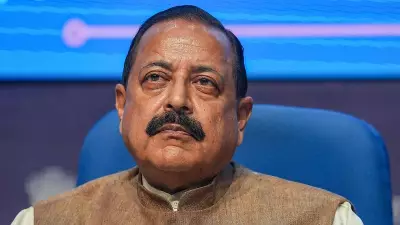
The Union Cabinet gave its crucial approval on Wednesday for the construction of three new Delhi Metro corridors, marking a significant expansion of the capital's mass rapid transit system. This decision, coming on the 23rd anniversary of the Delhi Metro's launch, is seen as a vital step to address the twin challenges of severe traffic congestion and chronic air pollution that plague the city annually.
Project Details and Strategic Importance
The three approved corridors, falling under Phase V(A) of the network's development, will add a cumulative length of 16 kilometres to the existing web of lines. With an estimated project cost of around Rs 12,015 crore, the expansion will include 10 underground and three elevated stations. Announcing the decision, Information and Broadcasting Minister Ashwini Vaishnaw highlighted the environmental benefits, stating these new lines would lead to an annual reduction of 33,000 tonnes in carbon emissions.
Prime Minister Narendra Modi, in a post on X, said the new corridors "will expand our capital's metro network, thus boosting 'ease of living' and reducing congestion." Currently, the Delhi Metro Rail Corporation (DMRC) operates a vast network of 12 lines spanning approximately 395 km with 289 stations across Delhi and the National Capital Region (NCR). This addition will push the total network length beyond the 400 km milestone.

A Closer Look at the Three New Corridors
The first and longest corridor is a 9.9 km link connecting RK Ashram Marg station to Indraprastha. This strategically important line will pass through the Central Vista area, servicing the new government office complexes (Kartavya Bawans) and connecting to landmarks like the upcoming Yuge Yugeen Bharat Museum near Rakabganj Gurdwara and Shivaji Stadium.
Minister Vaishnaw explained that this route will allow commuters from East Delhi, Noida, and Ghaziabad to reach the India Gate vicinity directly, bypassing the perpetually crowded Rajiv Chowk interchange. He emphasized that the corridor is designed to serve an estimated 60,000 daily employees and about two lakh visitors, offering them a comfortable alternative to road travel. "This will have a significant impact on both pollution and traffic," he affirmed.
The other two approved corridors are:
- Aerocity to Airport Terminal-1: A 2.3 km extension.
- Tughlakabad to Kalindi Kunj: A 3.9 km link.
The government stated that these sections will extend the existing Aerocity-Tughlakabad corridor, significantly boosting connectivity between the airport and southern parts of Delhi like Tughlakabad, Saket, and Kalindi Kunj. This enhancement will also provide seamless connectivity for commuters from Noida and Faridabad heading to Gurgaon.
Timeline and Future Prospects
All three new lines are expected to be completed and operational within three years. The government's prioritization of these corridors was first reported in early June. In response to queries about a direct metro link between Gurgaon and Faridabad, Minister Vaishnaw indicated that a feasibility study for that proposal is currently underway.
This expansion is a proactive measure aimed at decongesting Delhi's roads and providing a sustainable, efficient transport alternative. By integrating key employment hubs, cultural centres, and transport nodes like the airport, the new corridors promise to reshape daily commutes for lakhs of residents while contributing to a cleaner urban environment.