The Bengaluru Water Supply and Sewerage Board (BWSSB) successfully executed a critical and complex repair operation, restoring normal water supply to several parts of the city within an impressive 18-hour window. The emergency work was necessitated by a significant leak detected on a major pipeline, which threatened to disrupt the daily lives of thousands of residents.
Emergency Response to a Major Leak
The crisis began when the BWSSB identified a substantial leak on a 900-mm diameter mild steel (MS) pipeline near the Mysuru Road junction. This pipeline is a crucial component of the city's water infrastructure, carrying treated water from the Vrishabhavathi Valley Water Treatment Plant. Officials determined that immediate intervention was required to prevent a major water shortage in the served localities.
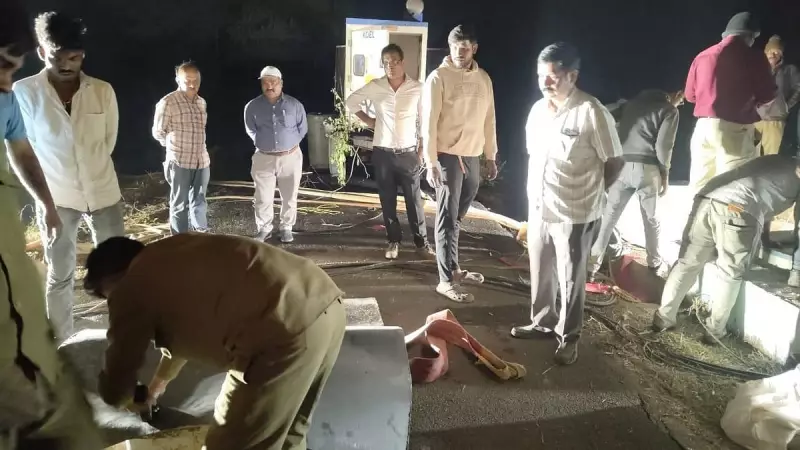
Recognizing the urgency, BWSSB engineers and technical teams mobilized quickly. The repair was classified as highly complex due to the pipeline's large diameter and its location. The board had to act decisively to minimize inconvenience to citizens. The repair work commenced in earnest, with teams working around the clock to address the fault.

The Complex 18-Hour Repair Operation
The restoration effort was a race against time. BWSSB teams employed specialized techniques to isolate the damaged section and carry out the necessary repairs. The complexity lay in ensuring the structural integrity of the main pipeline while executing a permanent fix, not just a temporary patch.
Through coordinated efforts and skilled workmanship, the board managed to complete the entire operation—from shutdown to restoration—in just 18 hours. This swift action was pivotal in containing what could have escalated into a multi-day water crisis for neighbourhoods dependent on this supply line. The successful repair underscored the operational readiness of the city's water utility in facing infrastructure challenges.
Restoration and Impact on Bengaluru
Following the completion of repairs, the BWSSB systematically began restoring water supply to the affected zones. The board confirmed that the supply was normalized, bringing relief to residents and businesses that were anticipating potential shortages.
This incident highlights the ongoing challenges of maintaining aging water infrastructure in a rapidly growing metropolis like Bengaluru. The BWSSB's prompt response demonstrates its capacity to handle emergencies, but it also brings focus to the need for proactive maintenance and upgrades to the city's water distribution network to prevent similar emergencies in the future.
The efficient 18-hour turnaround by the BWSSB has been noted as a significant operational achievement, averting disruption and ensuring continued access to essential water services for Bengaluru's citizens.