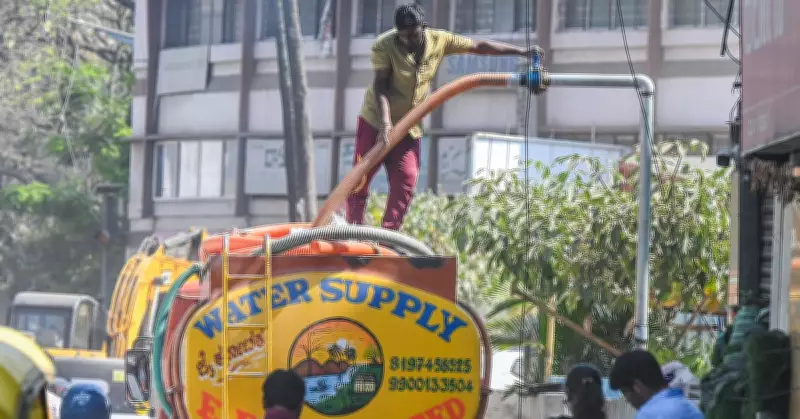
BWSSB Chairman Vows to Prevent Water Scarcity in Bengaluru This Summer
In a significant announcement, Ram Prasath Manohar V, the Chairman of the Bangalore Water Supply and Sewerage Board (BWSSB), has declared that the board is fully prepared to ensure there is no water shortage in Bengaluru during the upcoming summer of 2026. This statement comes as a proactive measure to address potential concerns over water scarcity, which has been a recurring issue in the city during hot months.
Serious Preparations Based on Expert Report
Chairman Manohar emphasized that the BWSSB has taken the findings of a report from the Indian Institute of Science (IISc) very seriously. "We have made adequate preparations to ensure there is no water shortage this summer," he stated, highlighting the board's commitment to leveraging scientific insights for effective water management. The IISc report, which likely analyzed water availability, demand projections, and infrastructure readiness, has served as a crucial guideline for the board's strategic planning.
Comprehensive Measures to Safeguard Water Supply
The preparations involve a multi-faceted approach aimed at optimizing water resources and distribution systems. Key initiatives include:

- Enhancing storage capacities in reservoirs and lakes to capture and retain water during periods of higher rainfall.
- Implementing advanced leak detection and repair programs to minimize water loss in the distribution network.
- Promoting water conservation awareness campaigns among residents and industries to encourage responsible usage.
- Coordinating with local authorities to manage groundwater extraction and prevent depletion of aquifers.
These efforts are designed to create a resilient water supply framework that can withstand the challenges posed by seasonal fluctuations and increasing urban demand.
Addressing Past Challenges and Future Resilience
Bengaluru has faced water scarcity issues in previous summers, often exacerbated by factors such as rapid urbanization, climate variability, and infrastructure limitations. By acting on the IISc report, the BWSSB aims to not only avert immediate shortages but also build long-term resilience. This proactive stance reflects a shift towards data-driven governance in public utilities, ensuring that decisions are grounded in empirical evidence rather than reactive measures.
The announcement has been welcomed by citizens and stakeholders, who have often grappled with water-related hardships. As summer approaches, the BWSSB's preparedness will be closely monitored, with the board expressing confidence in its ability to deliver uninterrupted water services. This initiative underscores the importance of scientific research in shaping effective public policy and resource management strategies for sustainable urban living.