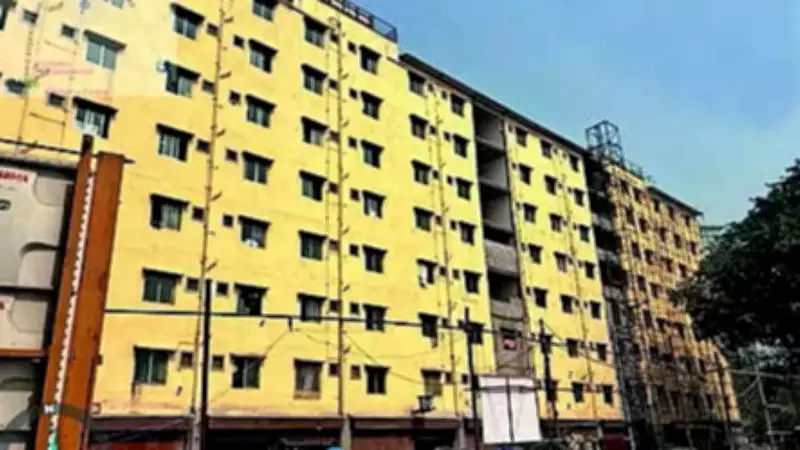
BMC Halts Construction of Worli Transit Camp on Reserved Sewage Plant Land
The Brihanmumbai Municipal Corporation (BMC) has taken decisive action by issuing a stop-work notice for a transit camp under construction in Worli. This move comes after civic authorities discovered the project is being developed on a land parcel specifically reserved by the BMC for the construction of a crucial sewage treatment plant.
Sewage Infrastructure at Risk
Civic officials revealed that two critical BMC sewer lines traverse directly through the contested plot. Preliminary investigations indicate that ongoing construction activities have already begun to disturb the normal sewage flow patterns. This disruption raises significant concerns about potential flooding and infrastructure failure, particularly during Mumbai's intense monsoon season when sewage systems are under maximum stress.
Criminal Complaint Filed Against SRA Engineer
In a significant development, Additional Municipal Commissioner Ashwini Joshi directed BMC's chief engineer for sewerage operations to file a formal criminal complaint against D B Patil. Patil serves as an executive engineer with the Slum Rehabilitation Authority (SRA) in the G South ward. The complaint alleges that Patil illegally granted permission in April 2025 for the construction of seven transit camp buildings on the reserved land.

In her official communication, Joshi accused Patil of colluding with the project's private developers, identified as Lokhandwala Infrastructure Pvt Ltd along with M/s Lokhandwala DB Realty LLP. The developers had maintained that all necessary approvals for the project had been properly obtained through official channels.
Broader Implications for Urban Governance
This incident highlights ongoing challenges in Mumbai's urban development landscape, where reserved land for essential civic infrastructure is sometimes compromised for other construction projects. The BMC's swift response demonstrates the civic body's commitment to protecting critical infrastructure and enforcing land use regulations designed to serve the city's long-term needs.
The case also raises questions about coordination between different municipal authorities and the need for stricter oversight mechanisms to prevent similar encroachments on land reserved for vital public utilities. As Mumbai continues to grapple with infrastructure challenges, particularly in water management and sewage treatment, protecting designated land parcels becomes increasingly crucial for the city's resilience and public health.