

Greater Bengaluru Authority Calls for Public Collaboration to Revive Underutilized City Spaces
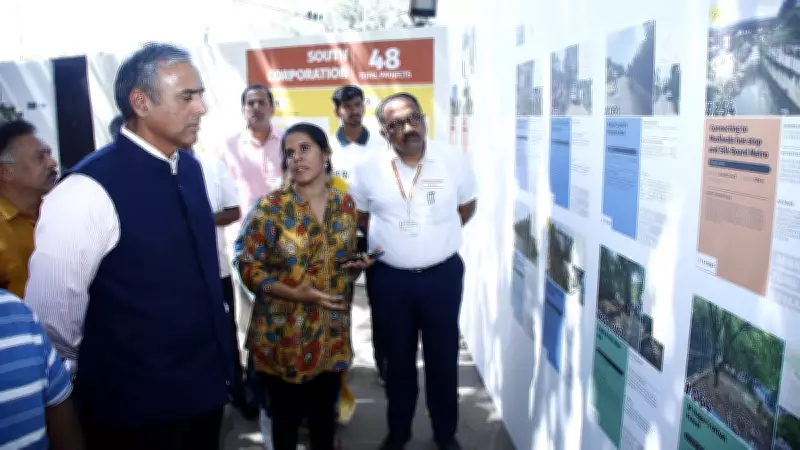
In a significant move to enhance urban livability, the Greater Bengaluru Authority (GBA) has issued a clarion call for public participation in revitalizing the city's underused spaces. At a recent 'Open House' event held at the historic Town Hall, GBA Chief Commissioner Maheshwar Rao emphasized the urgent need for collective action to transform what he termed "dead spaces" into dynamic community hubs.
Public-Private Partnership for Urban Transformation
Addressing a diverse audience of residents, non-governmental organizations (NGOs), and corporate representatives, Rao outlined a vision for collaborative urban development. He stressed that the revitalization of neglected areas is not solely a governmental responsibility but requires active involvement from all sectors of society. The initiative aims to leverage local expertise and resources to create vibrant public spaces that foster social interaction and community well-being.
The Open House event served as a platform for dialogue, where stakeholders discussed potential strategies for identifying and repurposing underutilized plots, abandoned buildings, and other vacant urban zones. Rao highlighted examples of successful transformations in other cities, suggesting that similar models could be adapted to Bengaluru's unique context with public support.

Addressing Urban Challenges Through Community Engagement
Bengaluru, known for its rapid growth and technological advancements, faces increasing pressure on its urban infrastructure and public amenities. The GBA's initiative seeks to address this by tapping into the creativity and commitment of its citizens. By encouraging partnerships between residents, NGOs, and corporate entities, the authority hopes to implement sustainable projects that enhance the city's aesthetic and functional landscape.
This collaborative approach is expected to yield multiple benefits, including improved public safety, increased green spaces, and enhanced cultural activities. Rao pointed out that such efforts can also boost local economies by creating opportunities for small businesses and social enterprises within these revitalized hubs.
Next Steps and Future Plans
Following the Open House, the GBA plans to launch a series of workshops and pilot projects to kickstart the transformation process. Key focus areas include:
- Developing guidelines for community-led space redesign.
- Establishing a transparent framework for funding and resource allocation.
- Creating a digital portal for citizens to propose and track projects.
- Promoting awareness campaigns to garner wider public involvement.
Rao reiterated that the success of this initiative hinges on sustained public engagement. He called on Bengaluru's vibrant community to step forward with ideas and commitments, ensuring that the city's underused spaces are reborn as centers of social and cultural vitality. This move aligns with broader urban renewal trends globally, positioning Bengaluru as a leader in participatory city planning.






