

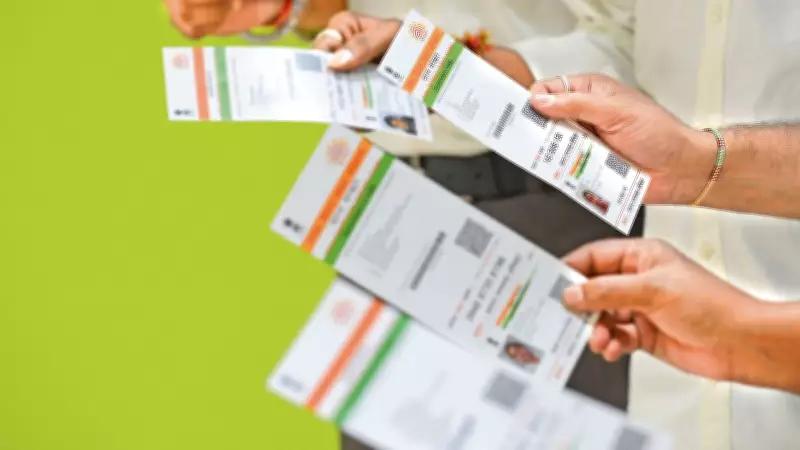
UIDAI's Massive Clean-Up: Over 2.5 Crore Deceased Aadhaar Cards Deactivated
In a significant move to safeguard India's national identity system, the Unique Identification Authority of India (UIDAI) has deactivated more than 2.5 crore Aadhaar numbers belonging to deceased persons. This clean-up initiative aims to prevent potential misuse of these identity documents and maintain the accuracy and integrity of the world's largest biometric database.
Government's Proactive Measure Against Identity Fraud
Minister of State for Electronics and IT Jitin Prasada revealed this information in a written response to the Union Parliament on Wednesday, 4 February 2026. The minister emphasized that this nationwide effort is crucial for preventing identity theft and unauthorized usage of Aadhaar numbers for availing welfare benefits.
"In case of the death of a person, it is essential that his or her Aadhaar number is deactivated to prevent potential identity fraud, or unauthorized usage of such Aadhaar number for availing welfare benefit," Prasada stated, highlighting the government's commitment to protecting citizens' digital identities even after their demise.

Why Deactivation Matters for National Security
The Aadhaar system, with nearly 134 crore active holders, represents the backbone of India's digital identity infrastructure. Deactivating deceased persons' Aadhaar numbers serves multiple critical purposes:
- Preventing identity theft and fraudulent activities
- Maintaining database accuracy for government schemes
- Protecting welfare benefits from unauthorized claims
- Ensuring the integrity of financial transactions
Enhanced Security Features for Aadhaar Protection
Minister Prasada detailed several security measures implemented by UIDAI to reduce identity fraud risks. These include:
- Biometric lock and unlock features that prevent unauthorized authentication attempts
- Face Authentication with Liveness Detection to ensure physical presence during transactions
- Spoofing prevention mechanisms that verify genuine user presence
These advanced security protocols work in tandem with the deactivation of deceased persons' Aadhaar numbers to create a comprehensive protection framework.
New Aadhaar App: Enhanced User Control and Privacy
In related developments, UIDAI recently introduced a new Aadhaar mobile application, formally unveiled on Thursday, 29 January 2026. This updated application represents a significant advancement in user privacy and control, featuring:
- Selective information sharing that allows users to disclose only specific personal details without revealing their full Aadhaar card
- Streamlined verification processes that simplify authentication for various services
- Direct mobile number updates through the app, eliminating the need for physical visits to enrollment centers
- Enhanced profile management capabilities for easier updates and modifications
The new application addresses growing privacy concerns while making Aadhaar services more accessible and user-friendly for millions of Indians.
The Bigger Picture: Maintaining Trust in Digital India
This massive deactivation effort, combined with enhanced security features and improved user applications, demonstrates the government's commitment to maintaining public trust in the Aadhaar system. As India continues its digital transformation journey, such measures ensure that the national identity database remains accurate, secure, and reliable for all legitimate users.
The clean-up of deceased persons' Aadhaar numbers represents a proactive approach to digital governance, setting a precedent for how large-scale identity systems should be managed to prevent fraud while protecting citizens' rights and privacy.






