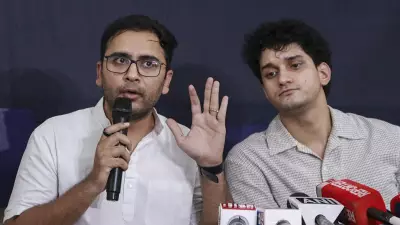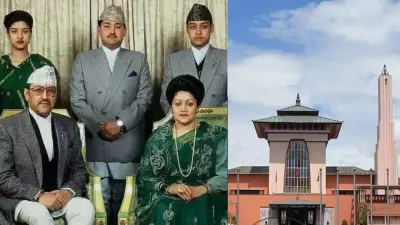
In India's vibrant democracy, a persistent pattern continues to shape electoral outcomes: the dominance of political families. Despite decades of democratic practice, dynastic politics remains an entrenched feature of the Indian political landscape, creating what many observers call a cycle of privilege that's difficult to break.
The Unbeatable Combination
Political dynasts bring several critical advantages to the electoral battlefield that make them nearly impossible to defeat. Established name recognition provides an immediate head start, saving candidates the enormous effort and resources required to build public awareness from scratch. When voters already recognize a surname, the campaign begins with significant momentum.
Beyond mere name recognition, political families bring extensive networks built over generations. These networks include loyal party workers, influential community leaders, and institutional knowledge about how to navigate the complex machinery of elections. The financial resources available to established political families also create a substantial barrier for newcomers without similar backing.

Caste and Community Loyalties
The dynastic advantage becomes particularly powerful when combined with India's traditional social structures. Caste affiliations and community loyalties often transfer from one generation to the next, creating ready-made vote banks that respond to familiar names and established relationships.
When a political family has cultivated specific caste groups or communities over decades, that loyalty becomes inherited capital for the next generation. Voters often feel comfortable supporting candidates whose families they've supported before, creating a sense of continuity and reliability in the political relationship.
The Challenge to Democratic Ideals
This dominance of political families raises important questions about the health of Indian democracy. While the system technically allows anyone to contest elections, the practical advantages enjoyed by dynasts create significant barriers to entry for political outsiders.
The phenomenon cuts across party lines and affects politics at every level, from local panchayats to the national parliament. As noted in recent analysis dated November 7, 2025, the combination of financial resources, established networks, name recognition, and social loyalties creates a formula that has proven consistently successful in Indian elections.
This reality presents a complex challenge for Indian democracy—balancing the freedom of voters to choose familiar names against the ideal of creating equal opportunities for political participation. The continued success of political dynasties suggests that for many Indian voters, the comfort of known quantities often outweighs the appeal of fresh faces in the political arena.