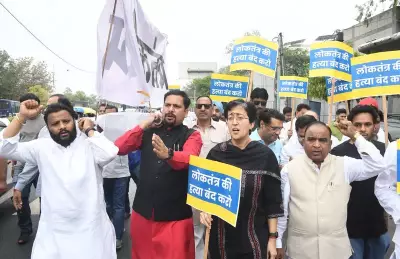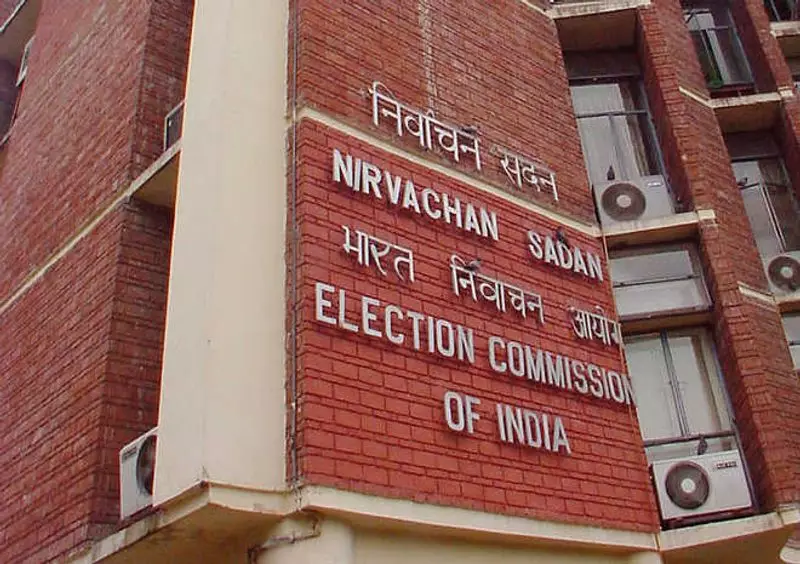
A delegation from the Trinamool Congress (TMC) expressed deep dissatisfaction following a meeting with the Election Commission of India on Monday, stating that Chief Election Commissioner (CEC) Rajiv Kumar provided no clear answers to their grievances. The high-level meeting, which included senior TMC leaders like Derek O'Brien and MP Sagarika Ghose, was convened to discuss the party's allegations of bias and inaction by the poll body in West Bengal.
Key Grievances Presented to the Commission
The TMC leaders presented a detailed list of complaints to the full bench of the Election Commission. Their primary concerns centered on what they described as a "one-sided approach" by the central security forces deployed in West Bengal. The party alleged that these forces were being used to intimidate their supporters and workers while turning a blind eye to violations by the opposition, particularly the BJP.
Furthermore, the delegation raised serious issues regarding the integrity of the electoral process. They submitted specific instances of violence and threats against TMC candidates and workers. A major point of contention was the alleged failure of the Commission to act on their formal complaints, which they claimed were filed well in advance but remained unaddressed, creating an uneven playing field in the ongoing Lok Sabha elections.

"No Clear Answers": TMC's Post-Meet Reaction
Emerging from the meeting, the TMC leaders did not mince words. MP Sagarika Ghose stated that the responses from CEC Rajiv Kumar were evasive and unsatisfactory. "We had gone with concrete evidence, with specific incidents. But we got no clear answers," she remarked, highlighting the party's frustration. The leaders emphasized that they sought immediate and decisive intervention to ensure a free and fair election in their state, but left the meeting feeling their concerns were dismissed.
Derek O'Brien reinforced this sentiment, pointing out that the delegation had hoped for assurances and action plans. Instead, they were met with what they perceived as generalities and a lack of commitment to address the partisan behavior of central forces. This meeting, held on April 29, 2024, has intensified the political rhetoric surrounding the election conduct in the crucial state of West Bengal.
Implications for the Electoral Atmosphere
The public expression of dissatisfaction by a major national party like the TMC directly to the Election Commission casts a shadow over the perceived neutrality of the poll body. This incident is likely to fuel further political accusations and counter-accusations in the heated final phases of the Lok Sabha elections. The TMC's move signals a strategy to keep the issue of "institutional bias" in the public discourse, potentially mobilizing their voter base by positioning themselves as victims of an unfair system.
For the Election Commission, this confrontation presents a significant challenge in maintaining its image as an impartial arbitrator. The Commission has not yet issued an official statement detailing its side of the discussion. How it addresses these public allegations in the coming days will be closely watched, as it deals with similar complaints from various parties across the country during this massive electoral exercise. The outcome could influence the political narrative in West Bengal and impact the delicate law and order situation in the state.