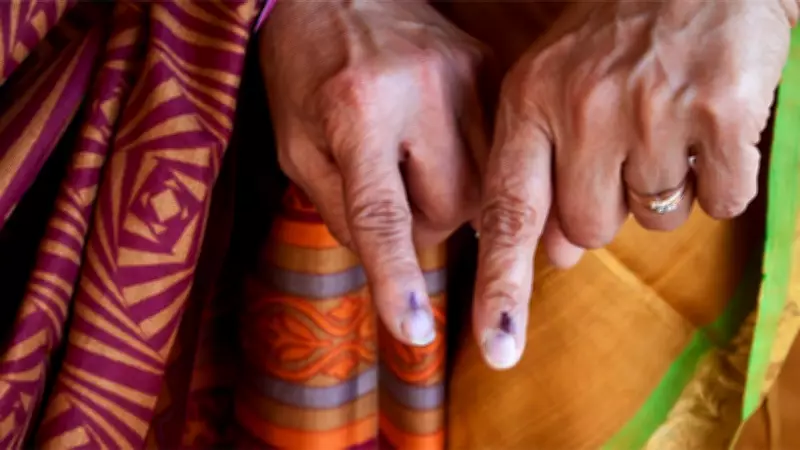
In a series of bypolls held across various states in India, the ruling parties managed to retain their strongholds, with the Bharatiya Janata Party (BJP), Indian National Congress, and Nationalist Congress Party (NCP) securing victories in seats they previously held. The results came as no major surprise to political analysts, who had predicted a status quo given the limited electoral battles.
BJP Holds Fort in Key States
The BJP successfully defended its sitting seats in states where it holds power. In Karnataka, the party retained the Maski assembly constituency, while in Himachal Pradesh, it held onto the Jubbal-Kotkhai seat. These wins underscore the party's continued influence in regions where it has a strong organizational presence. The bypolls were necessitated due to the deaths of sitting legislators or their elevation to other positions.
Congress Retains Seats in Heartland
The Congress party managed to hold its ground in traditional strongholds. In Madhya Pradesh, the party retained the Damoh assembly seat, while in Rajasthan, it held onto the Sujangarh constituency. These victories are crucial for the Congress as it seeks to rebuild its base ahead of upcoming state elections. The party's ability to retain these seats despite challenges from regional rivals demonstrates its enduring appeal in certain pockets.

NCP's Victory in Maharashtra
The Nationalist Congress Party (NCP), led by Sharad Pawar, retained the Satara Lok Sabha seat in Maharashtra. The bypoll was necessitated after the sitting MP's death. The NCP's victory is significant as it reinforces the party's influence in western Maharashtra, a region that has been a stronghold for the party. The win also highlights the continued relevance of the NCP in state politics, despite the rise of other regional forces.
Implications for Political Landscape
The bypoll results indicate that voters are not yet ready for a change in their respective constituencies, as all major parties managed to hold onto their seats. This stability suggests that the political landscape remains largely unchanged, with no major shifts in voter sentiment. However, these bypolls also served as a litmus test for smaller parties and independents, who failed to make significant inroads.
Low Voter Turnout
One notable aspect of these bypolls was the relatively low voter turnout in many constituencies. This could be attributed to a lack of competitive contests or voter apathy. Political parties will need to address this issue to ensure higher participation in future elections.
Conclusion
The bypolls across India have reaffirmed the existing political equations, with no surprises. The BJP, Congress, and NCP have successfully defended their sitting seats, indicating that voters prefer continuity over change in these specific regions. As the country moves towards more significant electoral battles, these results provide a snapshot of the current political mood.