Punjab Chief Electoral Officer Issues Directives for Electoral Roll Purification
In a significant move to ensure the integrity of voter lists, the Punjab Chief Electoral Officer has issued comprehensive directives to Booth-Level Officers (BLOs) across the state. The instructions mandate a thorough "purification" of electoral rolls, with a specific focus on the immediate removal of non-human images, blurred photographs, and absurd or illogical data entries that have previously sparked public controversies.
Targeting Inappropriate Images and Data Errors
The CEO has directed BLOs to identify and replace "non-human" or inappropriate images, including any photographs that do not belong to the actual voter. This directive comes in response to reports of non-human images appearing in voter lists during previous revisions in states like Bihar, where viral claims surfaced of pets such as dogs and cats being listed. As part of a pre-Special Intensive Revision (SIR) exercise, BLOs are also instructed to address various technical glitches, including blurry, black-and-white, or missing photographs.
Furthermore, officers must correct logic errors in the electoral data, such as discrepancies in age-gender ratios, illogical addresses, or gibberish text in name fields. These measures aim to eliminate inaccuracies that could undermine the credibility of the electoral process.

Mandatory Physical Verification and Form Processing
It has been mandated that any changes to the voter list must be supported by physical verification on the ground. Voters who require an image update or correction of particulars—such as name, age, and address—must fill out Form 8. In cases where a vote needs to be deleted due to reasons like death, permanent shifting, or duplication, BLOs are required to process Form 7 after verifying the facts through on-site checks.
This emphasis on documentation and verification ensures that all modifications are based on concrete evidence, reducing the risk of errors or fraudulent entries.
On-Ground Implementation in Nabha and Sangrur
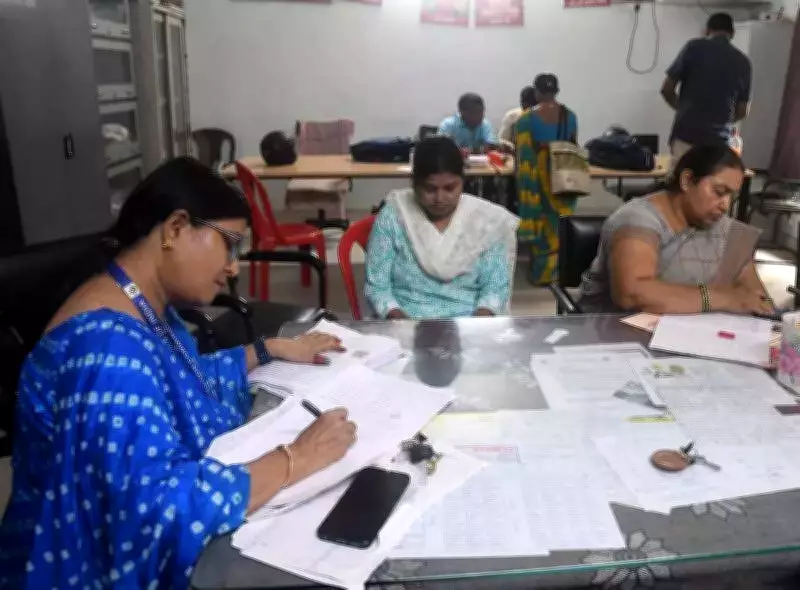
In districts like Nabha and Sangrur, BLOs have already initiated door-to-door visits to capture fresh photographs and verify documents. A district official emphasized, "The goal is to ensure a 100% error-free electoral roll before the upcoming electoral cycles." This proactive approach involves direct engagement with voters to update and validate their information, enhancing the accuracy and reliability of the rolls.
Background: Learning from Bihar's SIR Experience
This heightened vigilance stems from the Special Intensive Revision (SIR) conducted in Bihar in 2025. That exercise involved a massive overhaul of electoral lists based on 2003 data and faced intense scrutiny over the large-scale deletion of "untraceable" electors. Viral social media posts highlighted absurd entries, drawing public attention to flaws in the system.
By issuing these pre-emptive instructions, the Election Commission of India aims to maintain institutional credibility and prevent issues like demographic manipulation or algorithmic errors from affecting the final rolls. The focus is on creating a transparent and trustworthy electoral framework ahead of future elections.