Bengaluru witnessed a heated exchange between the ruling Congress and the opposition BJP-JDS alliance over the proposed 'One Nation, One Election' plan during a consultation meeting convened by the Joint Parliamentary Committee of the Lok Sabha Secretariat on Saturday.
While the BJP and JD(S) backed simultaneous Lok Sabha and assembly elections, the Congress termed the proposal an attempt to weaken the federal structure and marginalise regional parties.
Congress Opposition
Deputy Chief Minister DK Shivakumar rejected the proposal during the meeting and submitted a copy of the Karnataka Legislative Assembly resolution opposing the move to the committee. Shivakumar alleged that the initiative was politically driven and aimed at benefiting the ruling dispensation at the Centre.

Questioning the practicality of synchronising elections in a diverse democracy, Shivakumar asked what would happen if a government lost majority midway through its term. He said, "Elections are held at different times in different states for different terms. Karnataka had its election three years ago, Tamil Nadu and Kerala had theirs recently, while Punjab and Telangana went to the polls at different times. How can all these elections be synchronised?" He reiterated that the Karnataka government stood by the Congress high command's opposition to the proposal.
BJP-JDS Support
BJP's Karnataka unit, led by president BY Vijayendra, submitted a memorandum supporting simultaneous elections across the country. The party argued that a common election cycle would reduce poll expenditure and minimise repeated disruptions to administration and governance.
Committee Chairman's Defence
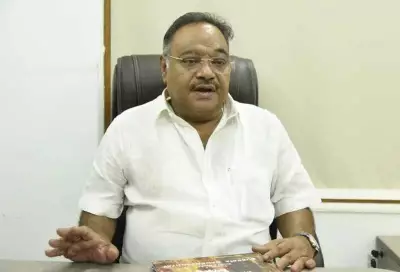
After the consultations, PP Chaudhary, chairman of the Joint Parliamentary Committee examining the proposed constitutional amendments related to simultaneous elections, defended the concept. He said repeated polls impose a heavy financial and administrative burden on the country. Chaudhary noted that frequent elections require large-scale deployment of officials, security personnel and public infrastructure, affecting governance and increasing expenditure.
He claimed simultaneous elections could save up to Rs 7 lakh crore over time and improve administrative efficiency. "Government schools are used as polling stations and teachers are repeatedly diverted for duty. Welfare delivery and administration also get affected because officials are constantly engaged in poll-related work," he said.
Chaudhary pointed out that India had previously conducted simultaneous elections and noted that institutions such as the Election Commission and NITI Aayog had supported the concept. He also referred to the committee headed by former President Ram Nath Kovind, constituted by Prime Minister Narendra Modi, which studied the issue and submitted a report on the proposal.
On concerns over hung assemblies or collapse of governments before completion of terms, Chaudhary said fresh elections, if required, would be held only for the remainder of the five-year cycle. He added that if political consensus emerged, simultaneous elections could be implemented by 2034.