The political landscape of Nashik is set for a significant transformation as the city gears up for its municipal elections on January 15. The Nashik Municipal Corporation (NMC) has officially published the final ward-wise roster of voters, revealing a dramatic expansion of the electorate compared to the last polls.
Substantial Growth in Voter Registration
The most striking figure from the final data is a notable 26.7% increase in registered voters since the 2017 municipal elections. This surge translates to a jump from 10.73 lakh voters in 2017 to 13.60 lakh eligible citizens as of July 1, 2025, adding nearly 2.87 lakh new names to the rolls. Civic authorities attribute this substantial growth to multiple factors, including natural population expansion, the development of new residential areas within municipal limits, and sustained voter awareness campaigns. These drives specifically targeted eligible segments such as the youth and urban migrant populations, encouraging them to enroll.
Accessible Lists and Electoral Structure
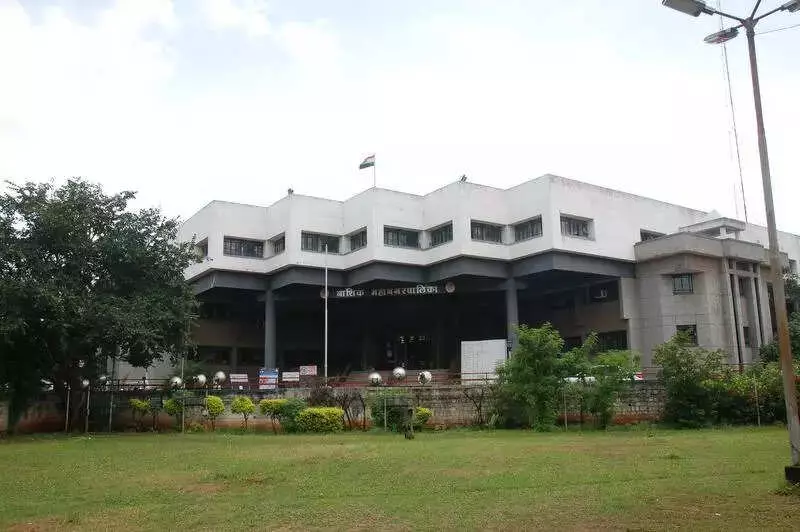
To ensure transparency and convenience, the NMC has made the finalized voter lists available through multiple channels. Residents can physically verify their details at the NMC headquarters, Rajiv Gandhi Bhavan, and at all six divisional offices. Simultaneously, the updated ward-wise lists have been uploaded to the civic body's official portal for easy digital access. Officials confirmed that this final publication followed a thorough verification and correction process, incorporating feedback and objections raised by citizens during the earlier draft-list phase.

The upcoming elections will follow the four-member ward system used in 2017. Nashik city is divided into 31 wards. Of these, 29 wards will elect four corporators each, while Wards 15 and 19 will elect three members each. This structure will bring the total strength of the municipal house to 122 corporators.
Ward Disparities and Political Implications
A detailed analysis of the voter list reveals considerable variation in electorate size across different wards, which is likely to influence campaign dynamics. Ward No. 25 emerges with the highest voter density, boasting 56,101 registered individuals. In contrast, Ward No. 22 has the smallest electorate with 33,798 voters. These disparities are expected to directly impact how political parties allocate resources, position candidates, and tailor their outreach strategies in the run-up to the polls.
The elections, originally due after the term of the previous body ended, were delayed due to administrative and legal issues concerning ward formation and OBC reservation. The Supreme Court's subsequent directives have now cleared the path for the January vote. The 2017 elections saw the BJP secure a decisive majority with 66 seats, followed by Shiv Sena (35), Congress (6), NCP (6), MNS (5), Independents (3), and RPI(A) with one seat. With a significantly larger and potentially reconfigured voter base, Nashik is poised for a highly competitive and spirited electoral contest next month.