The political landscape of Maharashtra is set for a crucial test as the state holds the first phase of long-overdue local body elections on Tuesday, December 2. These polls, the first in over five years, are unfolding against a backdrop of intense infighting within the ruling Mahayuti alliance, provocative rhetoric, and a significant controversy surrounding the deferment of voting in at least 10% of the poll-bound civic bodies by the State Election Commission (SEC).
Controversial Postponement Sparks Political Firestorm
Originally, the first phase was scheduled across 246 municipal councils and 42 municipal panchayats. However, in a last-minute move that has drawn sharp criticism, the SEC postponed elections in 24 municipal councils and rescheduled voting for 154 wards across 76 other councils to December 20. This decision, coming just 48 hours before the polls, means voting on Tuesday will now be held in only 222 municipal councils.
The SEC cited "irregularities" in the process, particularly concerning the allotment of election symbols due to delayed disposal of candidates' appeals and the subsequent denial of the mandatory withdrawal window. This explanation has satisfied neither the ruling coalition nor the opposition.

Chief Minister Devendra Fadnavis expressed strong displeasure, stating that prevalent laws have been "misinterpreted." He questioned the SEC's decision, saying, "I have no idea which Acts they are following. As far as my knowledge goes... elections cannot be rescheduled like this." State BJP chief Ravindra Chavan went further, writing to the SEC to demand a rollback of this "improper" decision.
The opposition Maha Vikas Aghadi (MVA) was equally critical. Maharashtra Congress president Harshvardhan Sapkal alleged the SEC had failed to ensure free and fair elections and claimed, "It seems the SEC is not capable enough to hold elections."
Alliances in Disarray: Friends Turn Foes
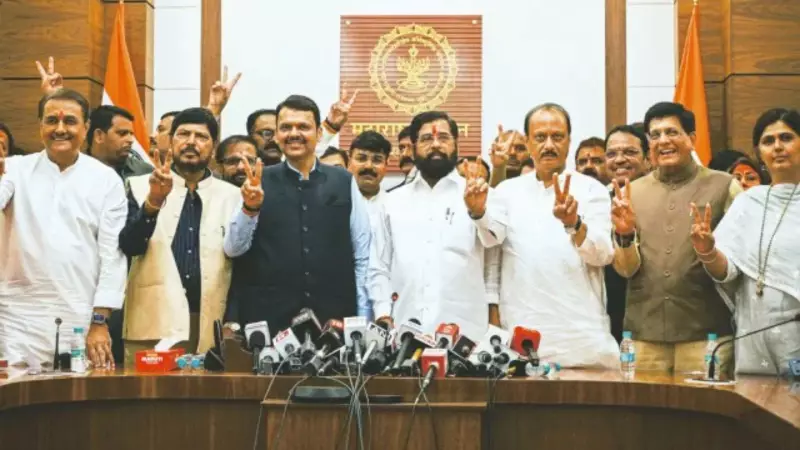
The run-up to the polls has been marked by remarkable fluidity in political alliances, with partners turning competitors and rivals joining hands. Within the ruling Mahayuti coalition, the BJP and the Eknath Shinde-led Shiv Sena are locked in direct contests in several districts, including Sindhudurg, Satara, Dharashiv, Palghar, and Thane.
Conversely, in a surprising twist, the two warring factions of the NCP—one led by Deputy CM Ajit Pawar and the other by founder Sharad Pawar—have united for the polls in Kolhapur. In other areas, local Congress factions have forged alliances with the BJP, further blurring traditional political lines.
In Vidarbha, Chief Minister Fadnavis's home region, the contest is largely a direct fight between the BJP and the Congress. The BJP has fielded candidates in all 27 cities in the region, while the Congress is contesting 22, with straight fights in 18 cities. The presence of the Shiv Sena and the Uddhav Thackeray-led Sena (UBT), along with both NCP factions, has created multi-cornered contests in several places.
A High-Stakes Campaign and Legal Backdrop
The campaign was high-octane, with leaders from the BJP and the Shinde Sena engaging in a public war of words, prompting Deputy CM Shinde to advise allies to "follow alliance dharma." Despite the friction, Fadnavis expressed confidence that the Mahayuti would win 70%-75% of the seats.
While Mahayuti leaders like Fadnavis, Shinde, and Ajit Pawar campaigned aggressively, the Congress was the most visible from the opposition camp. Notably, Uddhav Thackeray and Sharad Pawar largely stayed away from the campaign trail.
These elections are being held under the shadow of legal challenges. The Supreme Court, in May, directed the SEC to complete the local body election process before January 31, 2026. The polls have been delayed since 2017 primarily due to the controversy over OBC reservation. The apex court has also clarified that results in bodies where the 50% reservation ceiling was breached will be subject to its future verdict, casting uncertainty over the second phase of polls for zilla parishads and panchayat samitis.
The stage is now set for a keenly watched democratic exercise that will not only shape local governance but also serve as a significant barometer of the state's complex political realignments ahead of future elections.