All eyes are on Maharashtra as the counting of votes for the crucial local body elections is set to begin. The results, scheduled to be declared today, are expected to reveal significant shifts in the state's political landscape, setting the stage for the larger municipal corporation polls next month.
Voter Turnout and Phases of Polling
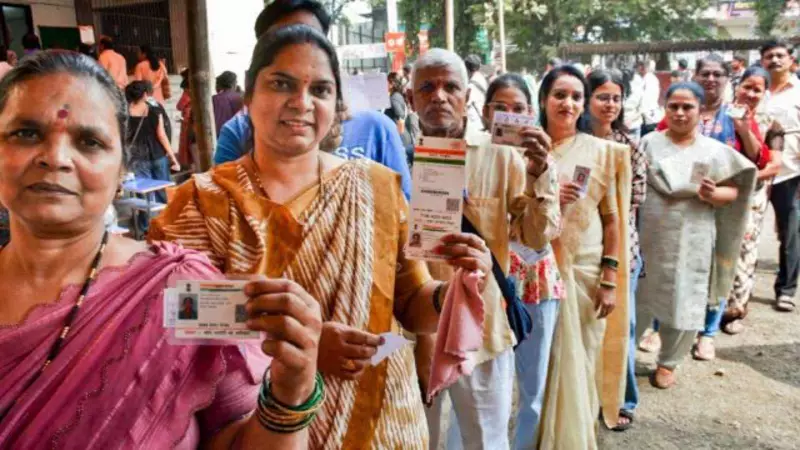
The elections were conducted in two distinct phases. The first phase on December 2 recorded a voter turnout of 67.63 percent, though it was marred by reports of violence in several areas. Initially, polling was planned for 246 municipal councils and 42 municipal panchayats in a single day. However, due to postponements in some locations, voting on December 2 was ultimately held in 222 municipal councils and 42 panchayats.
The second phase, held on December 20, saw a turnout of 47.04 percent until the afternoon. This round covered elections for the remaining 24 municipal councils and nagar panchayats, along with 154 wards spread across 76 other local bodies.

Shifting Political Alliances and Equations
These local elections have been a fascinating study of fluid political partnerships and rivalries. The ruling Bharatiya Janata Party (BJP), under Chief Minister Devendra Fadnavis, and the Shiv Sena, led by Deputy Chief Minister Eknath Shinde, campaigned aggressively, often directly opposing each other despite being allies in the state government.
In a notable development, the two rival factions of the Nationalist Congress Party (NCP)—one headed by Deputy Chief Minister Ajit Pawar and the other by party patriarch Sharad Pawar—have come together to contest in the Kolhapur region. Conversely, in a few other constituencies, factions of the Congress party have entered into alliances with the BJP, highlighting the complex and localized nature of these polls.
Why These Results Matter
The outcome of these elections is more than just a verdict on local governance. It serves as a critical barometer of public sentiment and the strength of evolving political coalitions at the grassroots level. The performance of major parties and their splinter groups will provide crucial insights into their organizational strength and voter appeal ahead of the high-stakes municipal corporation elections scheduled for next month. The results will likely influence future alliance strategies and set the narrative for the political discourse in Maharashtra in the coming year.