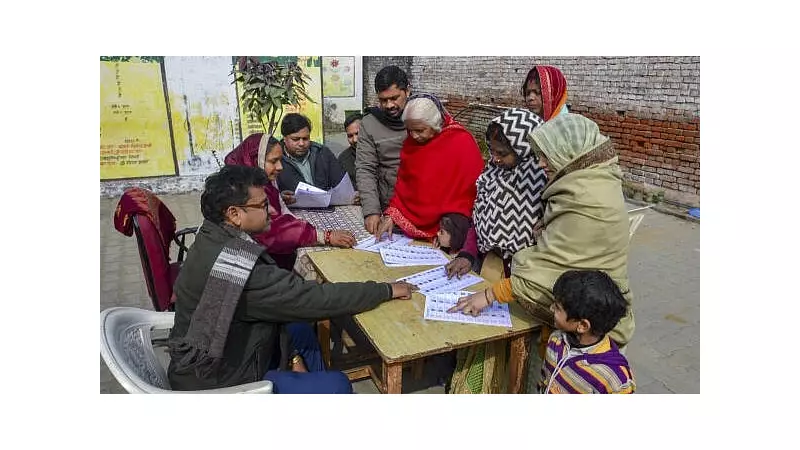
The recent Special Intensive Revision (SIR) of electoral rolls in Uttar Pradesh has unveiled a notable pattern in voter list deletions across districts with varying demographic profiles. Data indicates that districts with a significant Muslim population have witnessed a markedly lower percentage of deletions compared to other major districts in the state.
Disparity in Deletion Rates Across Districts
The figures, current as of 07 January 2026, present a clear contrast. The state capital, Lucknow, recorded a substantial 30% deletion rate of names from its electoral rolls during the revision process. Similarly, Ghaziabad, a key district in western UP, saw 28% of its voter names removed.
In stark contrast, districts like Saharanpur and Muzaffarnagar, which are known to have a sizeable Muslim populace, experienced a significantly lower impact. The deletion rate in these regions stood at a little over 16%, less than half the rate observed in Lucknow. This disparity has brought the focus back on the mechanics and outcomes of the electoral roll purification drive.

Analyzing the Special Intensive Revision Process
The Special Intensive Revision is a focused exercise conducted by the Election Commission to clean up voter lists by removing duplicate, incorrect, or ineligible entries. The process is critical for ensuring the integrity of the electoral process. The wide variance in outcomes from this revision across Uttar Pradesh's diverse districts raises important questions about the implementation and local demographic factors at play.
While the raw data highlights the percentage differences, officials and political analysts are delving deeper into the possible reasons. Factors could range from the relative accuracy of previous voter lists in these regions to the intensity of the revision campaign's outreach and verification activities on the ground.
Implications and Political Context
The publication of this data, reported by Sanjay Pandey, is likely to have significant political ramifications in India's most populous state. Electoral rolls form the bedrock of democratic participation, and any large-scale alteration directly influences the political landscape.
The lower deletion rate in western UP districts, which are often key electoral battlegrounds, will be closely scrutinized by all political parties. It underscores the complex interplay between demography, governance, and electoral administration in shaping India's democratic exercise. The findings from this revision are expected to influence campaign strategies and voter mobilization efforts as the state moves toward future elections.