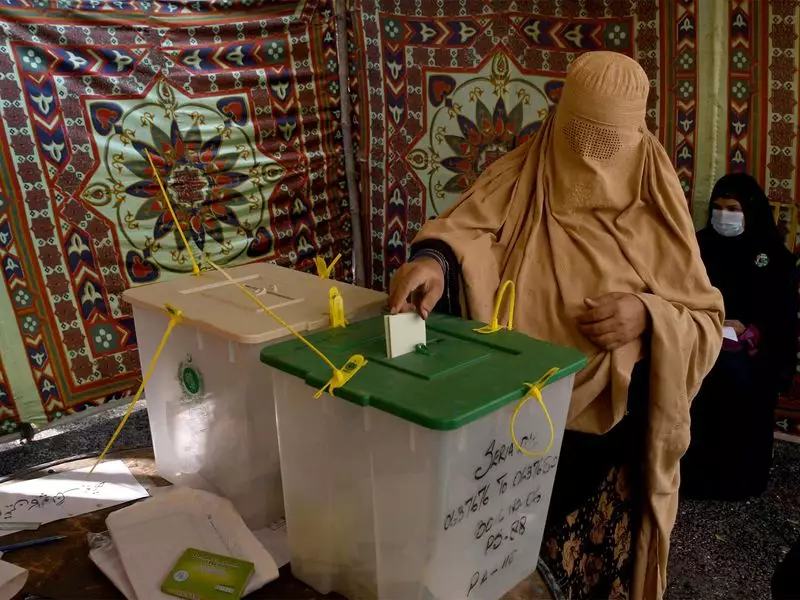
The long-awaited local government elections in Pakistan's capital, Islamabad, are poised for another potential postponement. This follows a decisive move by the federal cabinet, which has approved a presidential ordinance introducing significant amendments to the city's local government laws.
Cabinet Ordinance Paves Way for Deferral
The federal cabinet, led by Prime Minister Shehbaz Sharif, gave its nod to the Islamabad Capital Territory Local Government (Amendment) Ordinance, 2022. This legislative instrument is the primary catalyst for the anticipated delay. The ordinance must now receive the formal assent of President Arif Alvi to become law. Once enacted, it will empower the Election Commission of Pakistan (ECP) to officially announce a new schedule, pushing the polls beyond their current tentative date.
This development directly impacts the ECP's prior preparations. The commission had already initiated the process, having announced the election schedule on July 27 and completed the filing of nomination papers by candidates. The impending ordinance, however, is expected to reset this entire timeline.

Key Changes and Political Reactions
The proposed amendments bring substantial structural changes to Islamabad's local governance. A major revision involves the reduction of union councils from 101 to 50. Furthermore, the ordinance seeks to alter the administrative oversight of the Capital Development Authority (CDA). According to the new provisions, the CDA chairman will no longer report to the mayor of Islamabad. Instead, the chairman will fall under the direct authority of the federal government.
This move has ignited a sharp response from the opposition, particularly the Pakistan Tehreek-e-Insaf (PTI). Senior PTI leader and former minister Ali Muhammad Khan condemned the decision, framing it as a tactic by the ruling Pakistan Muslim League-Nawaz (PML-N) coalition to avoid facing the electorate. He accused the government of fearing defeat and attempting to cling to power through bureaucratic means rather than democratic contest.
The government's rationale, as indicated by sources, hinges on the need to implement these legal amendments before the polls can be considered legitimate and functional. They argue that holding elections under the old framework would be impractical given the planned changes to the union council structure and CDA's chain of command.
A History of Delays and What Comes Next
This episode marks the latest chapter in a protracted saga of delays for Islamabad's local government elections. The polls have been stalled for years, depriving the capital of its elected grassroots leadership. The recent flurry of activity by the ECP had sparked hope that the process was finally moving forward, but the cabinet's intervention has reintroduced uncertainty.
The immediate next steps are clear. After presidential assent, the ordinance will become law. The ECP will then be obligated to issue a fresh election program, formally postponing the vote. This will likely involve announcing new dates for nomination papers, scrutiny, and the final polling day. The political debate surrounding the move is expected to intensify, with the opposition poised to challenge both the motive and the method of deferring the democratic process. The citizens of Islamabad, meanwhile, continue to wait for their right to elect local representatives.