The recent zilla panchayat elections in Goa, which saw a return to the traditional ballot paper system, have been marred by an alarmingly high number of invalid votes. The volume of rejected ballots was so significant that it surpassed the victory margin in at least five constituencies, raising serious questions about the electoral process and potentially altering the outcome.
Constituencies Where Every Vote Truly Mattered
The data reveals a pattern of razor-thin victories overshadowed by a large pool of discarded votes. In the Rivona constituency, BJP candidate Rajeshree Gaonkar defeated her opponent from the GFP, Sahidnya Gaonkar, by a mere 19 votes. However, the returning officer recorded a staggering 245 rejected votes in this seat alone. Similarly, in Colva, AAP's Anthony Fernandes secured a win over independent candidate Nelly Rodrigues by 73 votes, while 122 ballots were declared invalid.
Other affected constituencies include Khola (winning margin 52, rejected votes 186), Arambol (margin 54), and Sirsaim (margin 79, rejected votes 159). The constituency of Kavlem recorded the highest number of rejected votes at 270. In a telling detail, nine out of 27 booths in Rivona saw double-digit rejected votes, and a single booth at Holy Family School in Seraulim accounted for 31 of Colva's invalid ballots.

Why Did So Many Votes Get Rejected?
Goa State Election Commissioner, Menino D'Souza, pointed to voter unfamiliarity as the primary cause. "Probably the switch from electronic voting machines to ballot papers meant not everyone could vote properly," D'Souza explained. "Old people have difficulties in stamping their vote in the exact space (earmarked) on the ballot paper. Many of them are now used to EVMs."
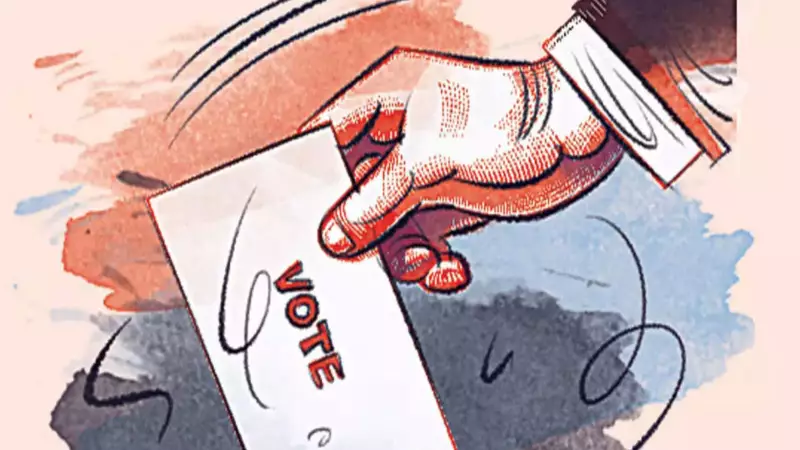
The rules for ballot papers are strict: a voter must stamp clearly on the chosen candidate's symbol, and any additional mark or stray ink anywhere else on the paper renders the vote invalid. This technicality led to widespread confusion. Newly elected zilla panchayat member from Colva, Anthony Fernandes, corroborated this, stating, "I saw that for many votes, people had stamped wrongly. People have difficulties with ballot papers. It's a concern for everyone."
Implications and Electoral Scrutiny
The high rejection rate has cast a shadow over the legitimacy of these narrow wins. The fundamental principle that the number of invalid votes should not decide an election has been brought into sharp focus. The situation also highlights the power vested in the returning officer, who has the final say in disputes over a ballot's validity, a point of contention in closely fought races.
Interestingly, the problem extended to postal ballots as well, with rejections reported in constituencies like Sirsaim, Shiroda, and Khola. This comprehensive issue across both in-person and postal voting methods underscores a systemic challenge in the state's temporary shift away from EVMs. The episode serves as a critical case study on the importance of voter education and the practical challenges of transitioning between voting technologies in a democratic exercise.