In a significant move to streamline the electoral process, the Election Commission of India has introduced a crucial upgrade to the Booth Level Officer (BLO) application. This enhancement, announced on Saturday, empowers BLOs across West Bengal to digitally rectify discrepancies found in draft electoral rolls, potentially saving countless voters from the hassle of formal hearings.
New App Feature Eliminates Voter Hearing Hassles
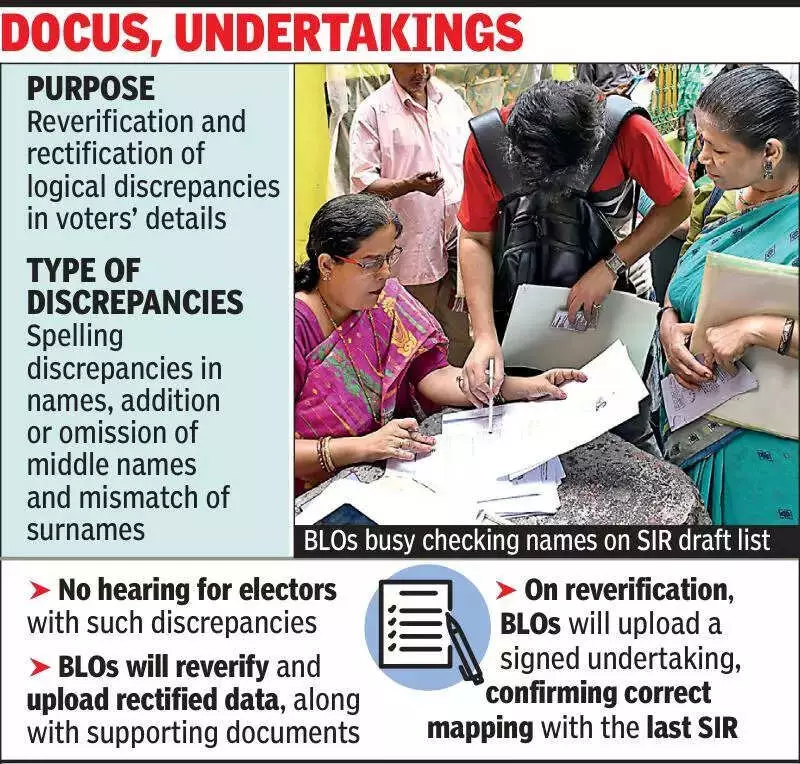
The newly integrated feature allows Booth Level Officers to directly correct specific errors that have surfaced on the draft Summary Revision (SIR) rolls. These discrepancies primarily include spelling variations in electors' names, the addition or omission of middle names, and mismatches in surnames. The most significant benefit is that voters affected by these "logical flaws" will no longer be required to appear before the Election Commission for hearings. Instead, the authorized BLO can validate and amend the details through the app itself after a reverification process.
The Reverification Process and BLO Responsibilities
The exercise mandates that BLOs personally reverify the details of the flagged electors. They must upload fresh, correct data along with supporting documents directly onto the application. A critical component of this process is the submission of a signed undertaking. In this document, the BLO must state the reason for the mismatch between a voter's details in the previous electoral roll—which could be the last SIR roll of any state or Union Territory, including Bengal's own 2002 SIR roll—and the current draft version.

An Electoral Registration Officer (ERO) from Kolkata clarified the procedure, stating, "BLOs have to issue the undertaking for the purpose of confirmation of correct mapping in the electoral roll." The EC's instructions specify that this undertaking is required specifically for cases involving spelling mismatches or name changes due to middle or last name alterations.
Specifics of the Correction Protocol
According to the guidelines, BLOs must certify the correct mapping of an elector after personally verifying their electoral records and relevant documents. The undertaking is a formal declaration that the citizen whose name appears differently in the previous roll is indeed the same person. The EC is actively segregating electors with these discrepancies to enable BLOs to handle the corrections directly.
An additional layer of verification has been introduced for voters who are mapped to their grandparents in the records. For these cases, BLOs must recheck documents and upload proof of the relationship with the grandparents on the app.
Workload and Challenges for Booth Level Officers
While the Election Commission has not set a strict deadline for completing this reverification, the task must be finalized before the official hearing process begins. This new responsibility adds to the workload of the approximately 80,681 BLOs stationed across West Bengal, each managing multiple discrepancy cases across different constituencies.
This "fresh workload" has reportedly caused some dissatisfaction among the officer cadre in the run-up to the hearing process. One BLO expressed frustration, noting, "The commission has kept us on tenterhooks, mounting assignments on us one after another. I have 30 electors who have been marked for logical discrepancies due to mismatch in surnames and spelling errors in names. Though I rectified those very errors at the time of digitising the enumeration forms, the changes did not reflect on the draft SIR rolls." This sentiment highlights a gap between initial data entry corrections and their final reflection in the published drafts.
The digital initiative aims to enhance accuracy and efficiency, but its success hinges on the seamless execution by the vast network of Booth Level Officers on the ground.