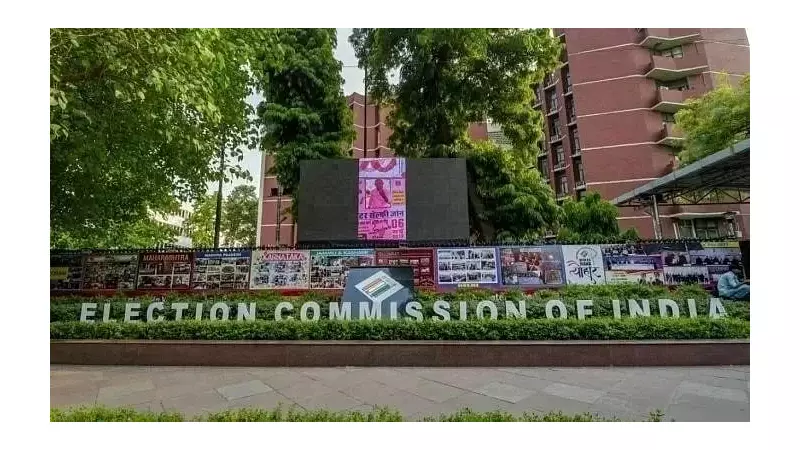
The Election Commission of India has taken a serious view of a government officer publicly questioning the ongoing voter list revision process in West Bengal. The Office of the Chief Electoral Officer (CEO) for the state has indicated that disciplinary proceedings could be initiated against the officer involved.
Officer's Public Remarks Spark Controversy
The controversy revolves around remarks made by Sarkar, who serves as the Block Disaster Management Officer of Bagnan Block-II. In his capacity, he also holds the position of Assistant Electoral Registration Officer (AERO). He publicly expressed concerns regarding the Special Summary Revision (SIR) of electoral rolls, a critical exercise undertaken by the Election Commission ahead of polls.
The SIR process is a meticulous drive to update and clean the voter list, ensuring its accuracy by including new eligible voters and removing duplicates or deceased persons. Any public doubt cast on its integrity by an official involved in the process is seen as a significant breach of protocol.

CEO's Office Responds Firmly on Social Media
The reaction from the election authorities was swift and unambiguous. The Office of the Chief Electoral Officer, West Bengal, did not take the remarks lightly. It took to the social media platform X (formerly Twitter) to address the issue directly.
In its post, the CEO's office suggested that disciplinary action could be initiated against the AERO for his public comments. This strong signal underscores the Commission's zero-tolerance policy towards any actions that could potentially undermine public confidence in the electoral process or the neutrality of its officials.
Implications for Electoral Discipline
This incident highlights the strict code of conduct expected from officials associated with the Election Commission, especially during sensitive exercises like voter list revisions. The Commission maintains that officials must raise any operational concerns through designated internal channels rather than in the public domain.
The potential action against the AERO serves as a reminder of the following key points:
- Electoral officials are expected to maintain absolute neutrality and discretion.
- Public questioning of established processes can erode voter trust.
- The Election Commission is vigilant in upholding the integrity of every stage of the electoral cycle.
The development, reported on 12 January 2026, brings into focus the ongoing preparations for future elections in the state. It remains to be seen what specific disciplinary steps the Commission will ultimately take against the officer.