In an unprecedented move for the Brihanmumbai Municipal Corporation (BMC) general elections, every single candidate was required to do more than just submit their nomination papers. For the first time in the civic body's electoral history, all 2,516 aspirants had to put their development promises in writing by composing a short essay.
A New Mandate in Nomination Scrutiny
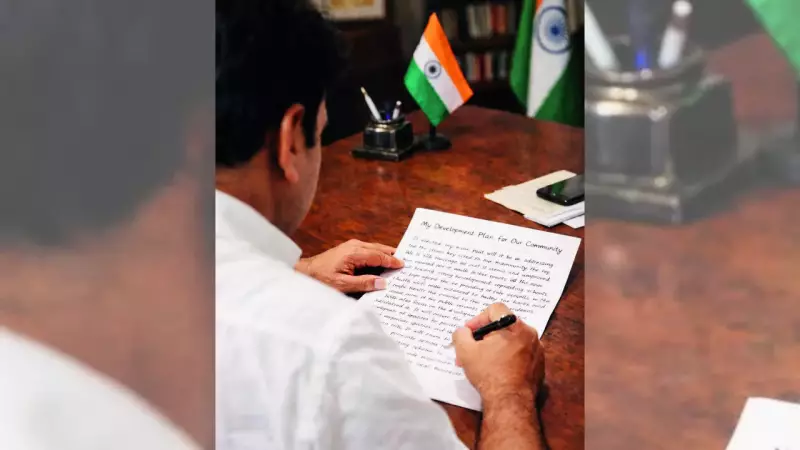
The State Election Commission introduced a unique requirement alongside the standard nomination forms and affidavits. Each individual hoping to contest was instructed to write an essay, between 100 and 500 words, detailing their specific plans for developing their local ward if elected. State Election Commission secretary Suresh Kakani confirmed that while this provision was introduced in 2018 and used in subsequent by-elections, this marks its first application in a full-scale general civic election.
Officials made it clear that this was not a mere suggestion. Returning officers were given strict speaking orders to reject the nomination forms of any candidate who failed to fill out the essay column during the scrutiny process. This formalized the essay as a non-negotiable part of the candidacy.

Mixed Reactions from the Political Arena
The novel mandate has sparked a sharp divide among candidates, with opinions varying widely across party lines and experience levels.
Some contenders welcomed the opportunity to formally articulate their vision. BJP candidate and former corporator Vinod Mishra from Malad (E) stated that he had no difficulty putting his plans on paper. "As a former corporator, I already have a clear roadmap and several pending works I want to complete once I am elected," Mishra explained, viewing the essay as a chance to clarify his agenda.
However, others criticized the step as redundant and impractical. Former Congress corporator Sheetal Mhatre, who is contesting again after a loss in the 2017 election, questioned its utility. "Candidates anyway distribute pamphlets or booklets house-to-house, detailing their work and promises. I don't see the point of writing another essay," Mhatre argued.
Echoing this sentiment, Congress MLA and former corporator Aslam Shaikh, who has family members in the fray, pointed out that real voter scrutiny happens on the ground. "Today, housing societies and local groups are grilling candidates on multiple issues. An essay in the nomination form doesn't add much," Shaikh remarked, suggesting that direct public interaction holds more weight than a written submission.
Implications for Civic Democracy and Accountability
This experiment by the State Election Commission sets a significant precedent for urban governance in India. By mandating a written development plan, the authorities aim to inject a layer of seriousness and forethought into the electoral process. It compels candidates to think concretely about their promises before filing their nominations, potentially moving beyond vague slogans.
The move also creates a tangible record. Voters and watchdogs could, in theory, refer back to these essays to hold elected representatives accountable for the specific plans they outlined. Whether this formal documentation will translate into more focused campaigning and better governance remains to be seen, but it undoubtedly marks a departure from tradition in Mumbai's high-stakes civic politics.
The final outcome of this initiative will be closely watched, as it could inspire similar reforms in other municipal corporations across the country, aiming to deepen the connection between electoral promises and actionable local development agendas.