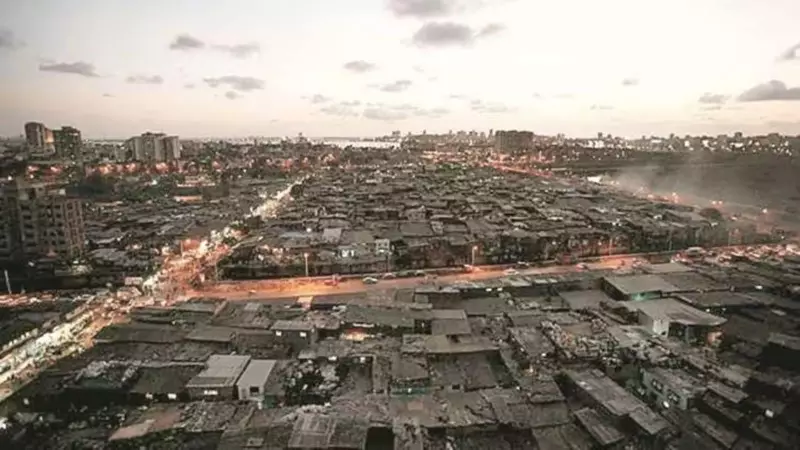
In the political battleground of Mumbai, home to one of the world's most significant urban slum populations, a new power dynamic is crystallizing. An analysis of recent Brihanmumbai Municipal Corporation (BMC) election data reveals that the Bharatiya Janata Party (BJP) has solidified its position as the single largest political force within the city's densely populated slum wards, a demographic long considered a decisive electoral bloc.
The Unignorable Demographics of Mumbai's Slums
According to the most recent comprehensive data from the 2011 Census, a staggering 41.9 per cent of Mumbai's population resided in slum settlements. While redevelopment and migration may have altered this figure over the past decade, slums remain home to a massive portion of the city's electorate. The census defines these areas by overcrowding, poor construction, narrow lanes, and a critical lack of basic amenities like sanitation and clean water.
This demographic reality translates directly into political power. Data shows that in eight specific municipal wards where more than half the population lives in slums, the BJP secured 38 out of 96 corporator seats. This nearly 40% seat share in these key wards is higher than the party's overall 36% tally in the 227-member BMC, underscoring a targeted strength.

Shifting Political Allegiances and Voter Priorities
The political landscape within Mumbai's slums has undergone a significant transformation. Experts point out that three decades ago, voter concerns primarily revolved around protection from eviction and access to basic services like water and ration cards. Today, especially in the suburbs, the discourse has pivoted decisively towards redevelopment and permanent housing.
Issues related to Slum Rehabilitation Authority (SRA) projects, disputes over eligibility, delays in obtaining homes, and the conditions of transit housing now dominate residents' priorities. Consequently, slum voters increasingly judge political parties not merely on their stance against demolitions, but on their demonstrable ability to deliver concrete rehabilitation projects.
This shift has played to the advantage of parties like the BJP and the Shiv Sena. Their long periods in power at both the civic and state levels have allowed them to build strong local organizations and leverage control of BMC ward offices and civic departments. For many first-generation urban migrants with weaker ties to older political networks like the Congress, proximity to perceived effective power is a major draw.
The Quiet Courtship of a Decisive Bloc
Despite their undeniable electoral clout, political parties maintain a cautious public distance from slum-related rhetoric. Observers note that slums are often publicly portrayed as symbols of congestion and unplanned growth, leading parties to fear a backlash from middle-class voters and resident welfare associations.
As a result, the political engagement with this massive voter base is often characterized by quiet, ward-level operations rather than bold public promises. Parties prefer to speak the language of "redevelopment" and "housing for all" rather than openly championing "slum" issues, which explains why these critical concerns rarely feature prominently in election manifestos.
The Maharashtra government's recent approval for redeveloping large slum clusters on plots over 50 acres at 17 locations across Mumbai, including Govandi, Borivali, and Chembur, through joint ventures with the BMC, is a direct response to this core demand. Another plan to rehabilitate around 25,000 households near the Sanjay Gandhi National Park further highlights the scale of the issue.
As Mumbai gears up for future electoral cycles, one fact remains unequivocal: the sheer numerical strength of slum dwellers makes them an indispensable, albeit quietly courted, force. Their votes will continue to shape the city's political future, even if their most pressing issues are addressed more through behind-the-scenes negotiation than open campaign rhetoric.