Zojila Pass Avalanche: Geography, Risks, and Strategic Relevance
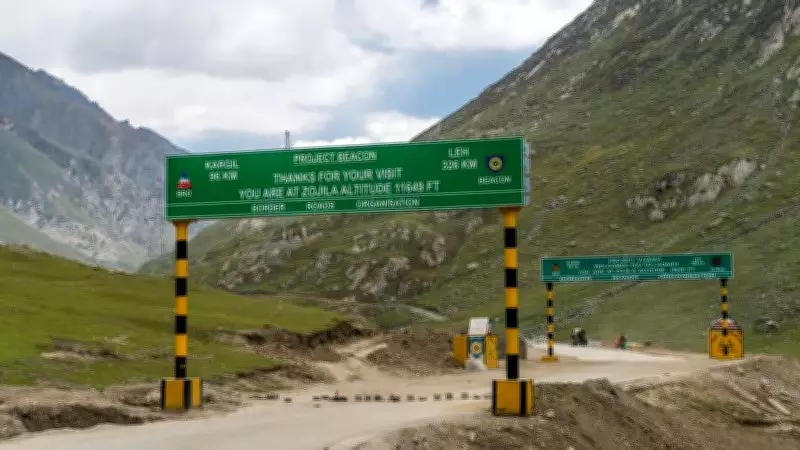
The Zojila Pass, a high-altitude mountain pass in the Himalayas, has recently been in the news due to an avalanche event, highlighting its challenging geography and significant strategic importance. Located at an elevation of approximately 11,575 feet (3,528 meters) on the Srinagar-Leh National Highway in the Union Territory of Ladakh, this pass serves as a critical lifeline for connectivity between the Kashmir Valley and the Ladakh region.
Geographical Features and Avalanche Risks
Geographically, Zojila Pass is situated in the Zanskar Range of the Himalayas, characterized by steep slopes, rugged terrain, and extreme weather conditions. The pass experiences heavy snowfall during winter months, making it prone to avalanches and landslides. The recent avalanche incident underscores the inherent risks associated with this terrain, which can disrupt transportation and pose threats to human life and infrastructure.
Key geographical factors contributing to avalanche risks include:

- High Altitude: The pass's elevation leads to low temperatures and snow accumulation.
- Steep Gradients: The slopes are susceptible to snow instability, triggering avalanches.
- Weather Variability: Sudden weather changes, such as heavy snowfall or rapid melting, increase avalanche probability.
These conditions necessitate continuous monitoring and mitigation efforts by authorities to ensure safety and maintain connectivity.
Strategic Relevance for India
Strategically, Zojila Pass holds immense importance for India's defense and regional connectivity. It is a vital corridor for military logistics and civilian movement, especially given its proximity to the Line of Control (LoC) and the border with China. The pass facilitates the supply of essential goods, fuel, and troops to Ladakh, which is crucial for national security in this sensitive region.
The strategic relevance is further amplified by ongoing infrastructure projects, such as the Zojila Tunnel, which aims to provide all-weather connectivity and reduce dependency on the pass during harsh winters. This tunnel project is expected to enhance economic development, tourism, and military preparedness in Ladakh.
Implications and Future Considerations
The avalanche at Zojila Pass brings to light the broader implications for disaster management and infrastructure resilience. Authorities must prioritize advanced warning systems, snow clearance operations, and sustainable development practices to mitigate risks. Additionally, the strategic value of the pass necessitates robust planning to balance connectivity needs with environmental and safety concerns.
In conclusion, the Zojila Pass avalanche serves as a reminder of the complex interplay between geography, risks, and strategic interests. As India continues to develop this region, addressing these challenges will be key to ensuring stability and progress in Ladakh.