

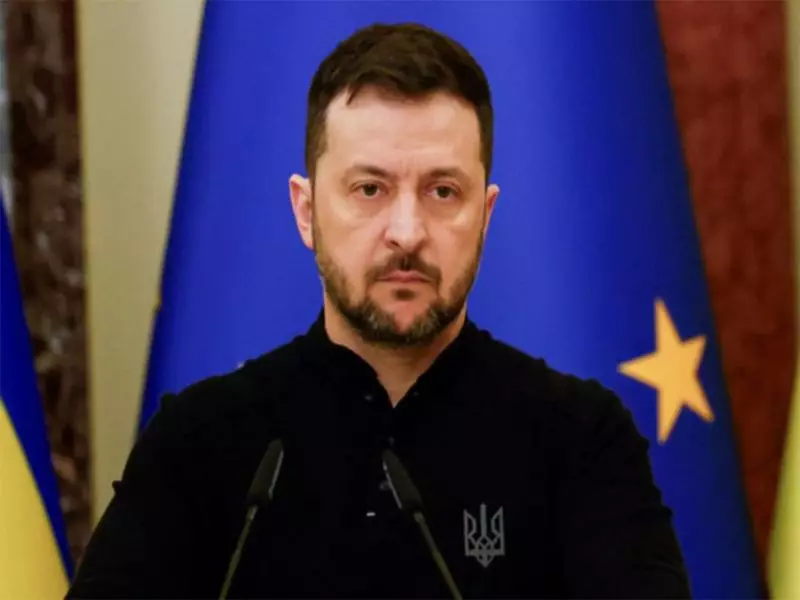
Zelenskyy Confirms Ukrainian Delegation's Arrival in the United States
Ukrainian President Volodymyr Zelenskyy has publicly announced the arrival of a Ukrainian delegation in the United States. He shared this news in a recent statement, highlighting the ongoing diplomatic efforts amid the conflict with Russia.
Diplomatic Progress Hinges on Partners, Says Zelenskyy
In his remarks, Zelenskyy emphasized that the future of diplomatic moves now rests with Ukraine's international partners. He stated clearly that it is up to these allies to determine whether diplomacy can move forward. This underscores the critical role of global support in resolving the ongoing crisis.
The delegation's visit to the US comes at a pivotal time. Ukraine continues to face significant challenges in its war with Russia. Zelenskyy's announcement signals a push for stronger international collaboration and potential peace talks.

Context of the Delegation's Mission
The Ukrainian delegation is expected to engage in high-level discussions with US officials. Their agenda likely includes:
- Security assistance: Seeking continued military and financial aid.
- Diplomatic strategies: Exploring pathways for negotiations or ceasefire agreements.
- Economic support: Addressing the impacts of the war on Ukraine's economy.
Zelenskyy's statement reflects Ukraine's proactive approach in seeking solutions. By involving partners directly, he aims to build consensus and momentum for diplomatic initiatives.
Global Implications and Reactions
This development has drawn attention worldwide. Many observers see it as a test of international commitment to Ukraine's sovereignty. The outcome could influence:
- Future aid packages from the US and other nations.
- The pace of peace negotiations or military escalations.
- Broader geopolitical alignments in Europe and beyond.
Zelenskyy's call to partners is a reminder of the interconnected nature of modern conflicts. It highlights how diplomacy often depends on collective action and shared responsibility.
As the delegation begins its work in the US, all eyes are on the responses from key allies. The next steps could shape the course of the war and regional stability for years to come.






