In the quiet lanes of Lashkardighi, a small town in West Bengal's Burdwan district, a family watches the diplomatic horizon with a unique and personal anxiety. Nearly 1,450 kilometers from Delhi and about 370 kilometers from Dhaka, this is the hometown of Afrozi Yunus, wife of Nobel laureate and current head of Bangladesh's interim administration, Md Yunus. As relations between India and Bangladesh face a significant strain, the family of the Bangladeshi leader's in-laws finds itself caught in the silent crosscurrents of geopolitics.
A Family's Hope Amidst Diplomatic Frost
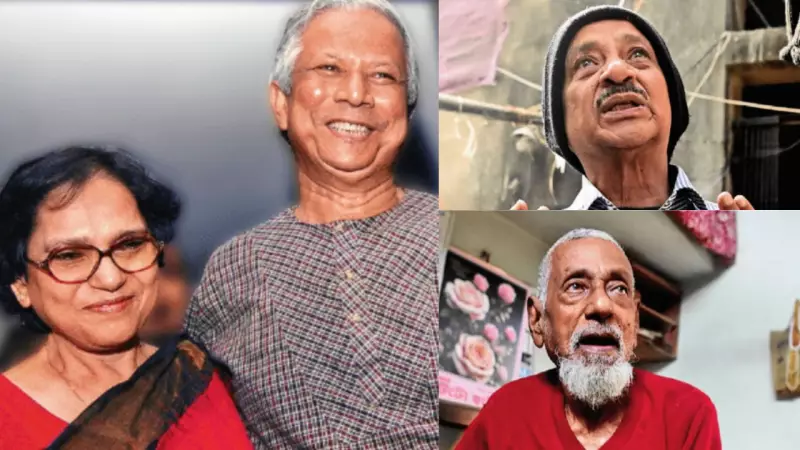
The bond between the two nations, described by residents as special, has soured over the past six months. Commentators suggest Yunus is steering Bangladesh away from its historical ally, India, and closer to Pakistan. In Lashkardighi, this geopolitical shift is felt intimately. Afrozi Yunus (née Begum) grew up in a house here, completing her school and college education before moving to Manchester for higher studies in physics in the late 1970s. She married Yunus in 1983, his second marriage.
Neighbors recall a time when the family home was bustling with visitors, including relatives from Bangladesh. Today, mirroring the frosty state ties, the house has grown quieter and more subdued. The family now prefers to keep to themselves. Ashfaq Hossain, Yunus's brother-in-law, is recuperating from cardiac surgery. Speaking slowly from the driveway of his one-storey home, he shared his singular prayer: "That relations between India and Bangladesh become good again." He expressed confidence that the bond, though facing a temporary setback, would ultimately endure.

Memories of a Nobel Laureate's Visit
The family's most cherished memory is from soon after Yunus received the Nobel Peace Prize in 2006. He visited his in-laws in Burdwan, a moment of immense local pride that residents still recall vividly. "Our mother was alive then," said Hossain, Afrozi's younger brother. "She cooked several varieties of fish. Yunus bhai relished them." That visit was the last time Yunus came to the house. Hossain remembered it as a time of celebration, with numerous relatives gathering to congratulate his sister.
He also spoke of the practical hopes for the bilateral relationship, emphasizing renewed economic ties where India could earn foreign exchange and Bangladesh could access affordable goods. Reflecting personal connections, Hossain mentioned carrying mihidana and sitabhog, sweet specialties of Burdwan, for the family during his last visit to Dhaka, noting Yunus's fondness for them.
The Weight of Silence on Politics
However, any direct discussion of current politics brings an immediate and palpable unease. When asked about allegations from deposed Prime Minister Sheikh Hasina and human rights groups regarding attacks on Hindu minorities in Bangladesh, Hossain fell silent. He excused himself shortly after, citing doctor's orders to avoid stress following his surgery. His wife later requested he not be disturbed, concerned for his health.
This hesitation echoes throughout the neighborhood. In a nearby house, Afrozi's bedridden nephew, Mohammad Kalimuddin, fondly remembered playing with his "Afrozi chachi" and the family's happiness at her marriage. He expressed confidence that the concerning situation in Bangladesh would improve. Yet, as he spoke, his son intervened cautiously: "Why are you talking? Don't you see what is happening in Bangladesh? It is better you don't say anything."
The family is acutely aware that words spoken in their modest Burdwan home could have far-reaching consequences. Their first brush with the spotlight came with Yunus's Nobel win; attention returned last year when he was chosen to head the interim government after Sheikh Hasina's flight to India following weeks of unrest.
As dusk falls on Lashkardighi, far from the slogans of Dhaka, the masons pack up and the lanes grow quiet. Behind the large black gate, the family retreats into privacy. They hold onto memories of fish cooked for a distinguished son-in-law, sweets carried across borders, and a time when the distance between Burdwan and Bangladesh felt much shorter. For now, in the shadow of a geopolitical churn they refuse to discuss, their activity is reduced to a quiet, hopeful prayer for peace to prevail between the two nations.