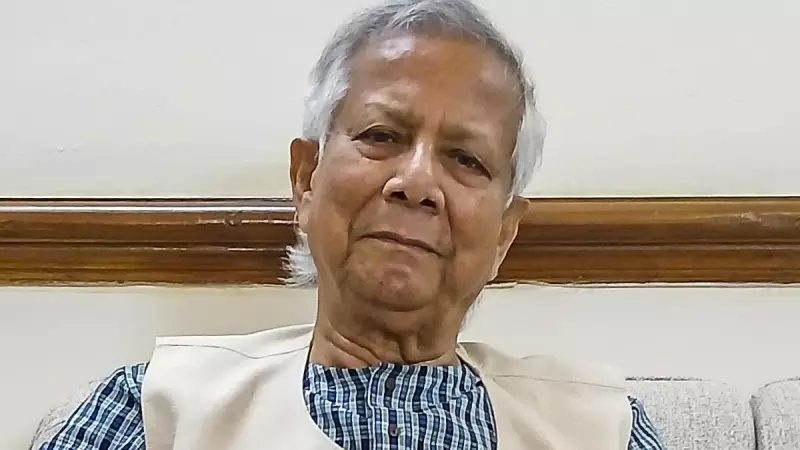
In a significant development for regional diplomacy, a senior official from Bangladesh's interim government has confirmed that Chief Adviser Muhammad Yunus is actively involved in efforts to improve the country's diplomatic relationship with India.
Adviser Confirms Diplomatic Outreach
Bangladesh's Finance Adviser to the interim government, Salehuddin Ahmed, made the revelation, highlighting the personal involvement of the Nobel laureate. According to Ahmed, the chief adviser is not only overseeing the process but is also personally engaging with various stakeholders on this critical foreign policy issue.
The statement, made on 24 December 2025, underscores the priority the current administration in Dhaka places on its relationship with New Delhi. This direct confirmation from a key economic adviser signals a concerted push from the highest levels of the caretaker setup.

The Personal Touch of Muhammad Yunus
The involvement of Muhammad Yunus adds a distinct dimension to the diplomatic initiative. Known globally for his work in microfinance and poverty alleviation, Yunus brings considerable international stature and a network of contacts to the table. His personal outreach suggests a nuanced and multi-track approach to diplomacy, potentially engaging beyond traditional governmental channels.
While specific details of the discussions with stakeholders were not disclosed, the term implies conversations with influential groups, business leaders, and possibly political entities within both nations. This approach aims to build a broader consensus and address multifaceted aspects of the bilateral relationship.
Context and Potential Implications
The announcement comes at a time when stable and cooperative relations between Bangladesh and India are crucial for regional trade, security, and connectivity. As neighboring nations with deep historical and cultural links, the state of their ties has direct consequences for the entire eastern subcontinent.
A strengthened partnership can lead to progress in several key areas:
- Enhanced cross-border trade and investment flows.
- Improved cooperation on shared regional challenges, including water resources and climate change.
- Greater people-to-people connectivity and cultural exchange.
- Bolstered economic integration within South Asia.
The interim government's clear focus on this relationship indicates a desire to lay a stable foundation for the future, regardless of the political landscape that emerges after the transitional period. The proactive stance of Muhammad Yunus himself is likely to be viewed positively in Indian diplomatic circles, potentially opening doors for more substantive dialogue.